.png)
Release Date : 20 May 2026
The Glow of Fire and the Clang of Hammers: Chandina’s Blacksmiths Usher in Eid-ul-Adha
Md. Osman Gani , Upazila Correspondent, Chandina ||
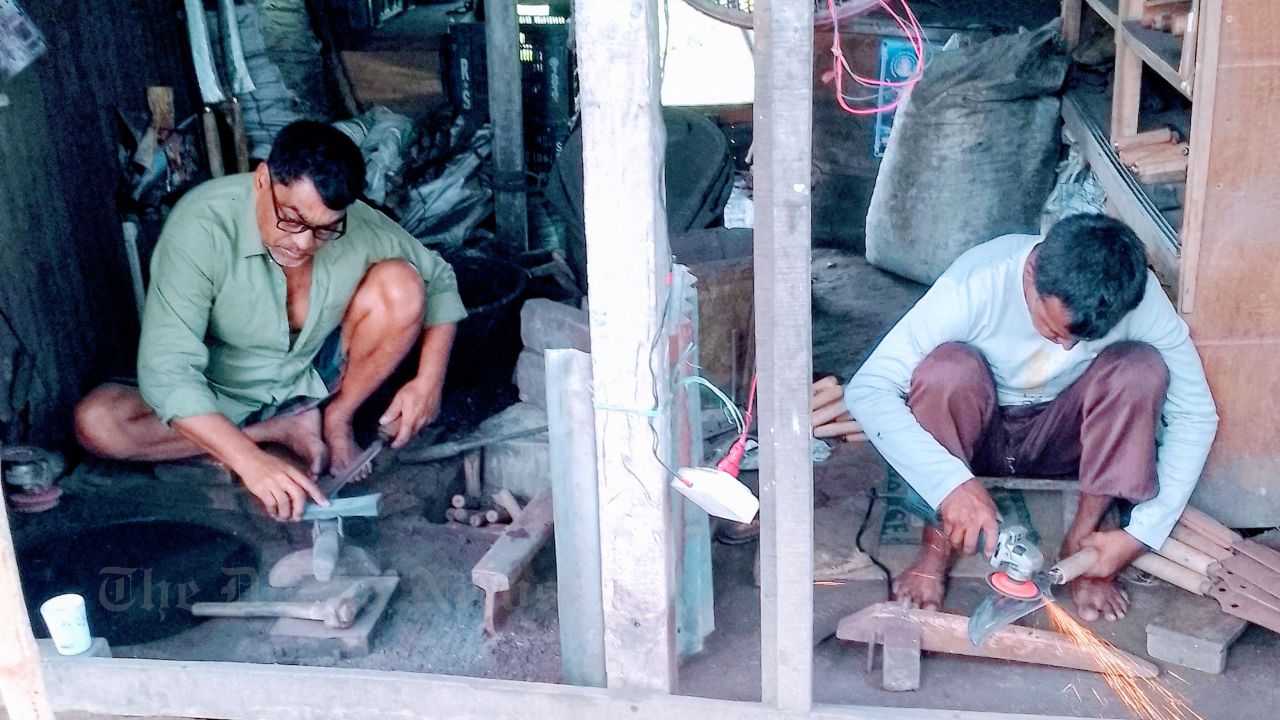
With the holy Eid-ul-Adha just around the corner, a festive yet relentlessly busy atmosphere has taken over the blacksmith quarters of Chandina Upazila in Cumilla. The core essence of this Eid revolves around animal sacrifice and processing meat. Consequently, the local blacksmith community is working day and night to craft essential tools like choppers (da), meat-cleavers (boti), knives, machetes (chapati), and small skinning knives. From dawn until midnight, every blacksmith shop in the upazila resonates with the rhythmic clanging and clattering of hammers striking iron. The glowing red ember of the furnaces and the sweat on the artisans' brows declare that they are passing the busiest and most profitable time of the year.However, a slightly different trend is visible in this year's Eid market. Due to the overall economic situation, the prices of raw materials like iron, coal, and other accessories have increased significantly compared to previous years. This rise in production costs has directly impacted the prices of the finished tools. Artisans note that because of the higher costs, orders for brand-new tools are somewhat lower than in previous years. Considering the extra expense, many ordinary buyers are choosing not to buy new items. Instead, they are bringing out their rusted, old knives and choppers from last year. Blacksmiths are reheating, hammering, and sharpening these old tools, making them as good as new. As a result, alongside crafting new items, a massive rush has formed at the shops for sharpening old tools.Conversations with Swapan Karmakar, a veteran blacksmith at the bustling Badarpur Bazar, reveal the inner realities and evolution of this craft. He shares that with the passage of time, modern technology has touched this ancient and traditional profession. In the past, crafting a single chopper required molding the iron piece to the final sharpening entirely by hand—a process that was extremely laborious and time-consuming. However, in this modern mechanical era, their physical labor has been reduced. Now, they shape the basic form of the iron in their own shops and do the finishing and cutting work using modern machines at local workshops. This has accelerated production and eased physical strain. Swapan Karmakar adds, however, that due to the increased cost of raw materials, they are forced to charge a bit more, which poses a slight challenge for middle-class buyers.With only seven to eight days left before Eid, the workload in Chandina's blacksmith shops has reached its peak. Because the time is short and the demand is high, many artisans do not even have a moment to spare for lunch or a night's rest. To manage the stream of customers, shop owners and workers cannot afford a single moment to sit down. While this constant hustle is visible in every market and village across Chandina, the most traditional and notable area for this craft is Darora village and its surrounding market. The blacksmiths of this village are not just busy during the festive season; they engage in crafting iron tools throughout the year. They manufacture agricultural tools like sickles and spades, as well as various household items, twelve months a year. They travel to various folk fairs and religious gatherings across the country with their high-quality handmade products, which keeps them economically self-reliant.Although the blacksmith industry has lost some of its former glory due to the evolution of time and the dominance of modern steel and plastic products, the indispensability of this profession is proven anew whenever Eid-ul-Adha arrives. Despite numerous hardships, the blacksmith community of Chandina keeps this ancestral profession alive out of pure love for the craft. The service they provide, enduring the intense heat of the furnace and backbreaking labor, remains a unique part of our society and culture. In these few days leading up to Eid, their continuous hustle and the ringing sound of hammers stand as a symbol of vitality for the rural economy.
Copyright © ২০২৬ । All rights reserved.