.png)
Release Date : 12 Aug 2026
Silent revolution of fish farming in Chandina
Md. Osman Gani , Upazila Correspondent, Chandina ||
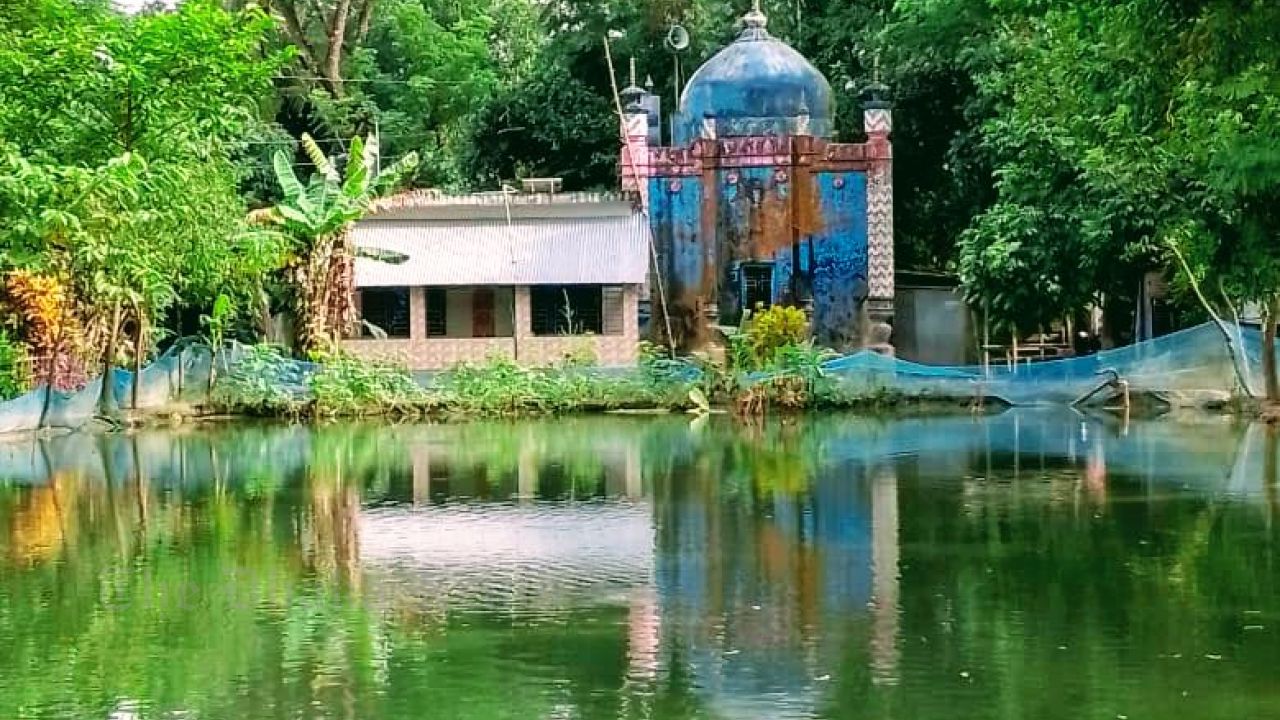
A surprising progress has been made in fish farming in Chandina Upazila. Through a silent revolution without any fanfare, an incredible change has come to the rural economy of this region. Where once only some fish were caught in ponds or natural water bodies using traditional methods, today Chandina has transformed into one of the busiest and most promising fish production hubs in the country. This positive change has not only brought about a revolutionary transformation in the geographical map of Chandina, but also in the thoughts and consciousness of the common people there and in the overall lifestyle.It is difficult to find a village in Chandina Upazila where a professional or budding fish farmer cannot be found. Inspired by the success stories that new entrepreneurs are writing, many more are entering this business every day. Initially, the success of one or two brave entrepreneurs was visible to the common people. Inspired by this, ordinary farmers and educated youths of the village got involved in it like a madman. Nowadays, as fish farming has proven to be comparatively more profitable than rice farming, there has been a huge change in the rural landscape. The fertile soil of the cropland is being cut and converted into commercial fish farms by building high and strong embankments around it. Hundreds of artificial reservoirs and farms are now scattered all over the upazila.The renowned fish hatcheries from different parts of the country are working as the main driving force of this fish revolution. Local farmers are collecting fry of various varieties including Rui, Katla, Mrigel, Pangas, Tilapia and Pabda from these quality hatcheries by mastering modern and scientific methods. Due to proper care, high-quality food supply and appropriate water body management, the expected yield is being obtained in a short time.This fishing revolution in Chandina is not limited to the four walls of the reservoir, but has spread to a vast area of trade and employment. A strong intermediary network has been developed to transport the huge amount of fish produced by the hard work of farmers to different parts of the country. As a result, numerous fish traders and fishmongers have been created here. Since dawn, the various intersections, markets and areas adjacent to farms in Chandina are bustling with activity. A huge commercial circle has been formed through the hands of farmers, traders and fishmongers.This fish-centric economy has created employment for thousands of unemployed people. In addition to direct fish farming, numerous families are now economically self-sufficient by engaging in various ancillary activities such as fishing, net management, food transportation, packaging and loading and unloading fish on trucks. People like local fish trader Abul Kalam go around different villages and farms every day and collect tons of fish. On an average, 150 maunds or more of fish reach the wholesale markets of various big cities of the country including Dhaka and Chittagong through his hands. 30 to 40 previously unemployed people are earning a living by working with Abul Kalam's business alone. There are numerous big and medium traders in the upazila, whose combined daily turnover exceeds thousands of maunds.The biggest positive aspect of this sector at present is the participation of young and educated unemployed people. Instead of chasing jobs after earning a degree or getting discouraged, educated young people are entering commercial fish farms using modern technology. They are not satisfied with just the traditional methods but are increasing the density and growth of fish in a scientific way by combining advanced technologies such as biofloc, IRS or ponds. As a result, social and economic security is being greatly strengthened along with employment for the youth.Today, Chandina's fish farming is not just a small picture of an upazila, but a very important contributing factor to the country's national economy. If adequate government or private sponsorship, easy availability of cheap and quality fish food at the local level, and bank loans on easy terms are possible, this silent revolution of Chandina will be able to set a bigger example in meeting the country's food and protein shortage.
Copyright © ২০২৬ । All rights reserved.