.png)
Release Date : 25 Aug 2026
Toxic Pesticides and Commercial Farms Push Local Fish Species to the Brink of Extinction in Chandina
Md. Osman Gani , Upazila Correspondent, Chandina ||
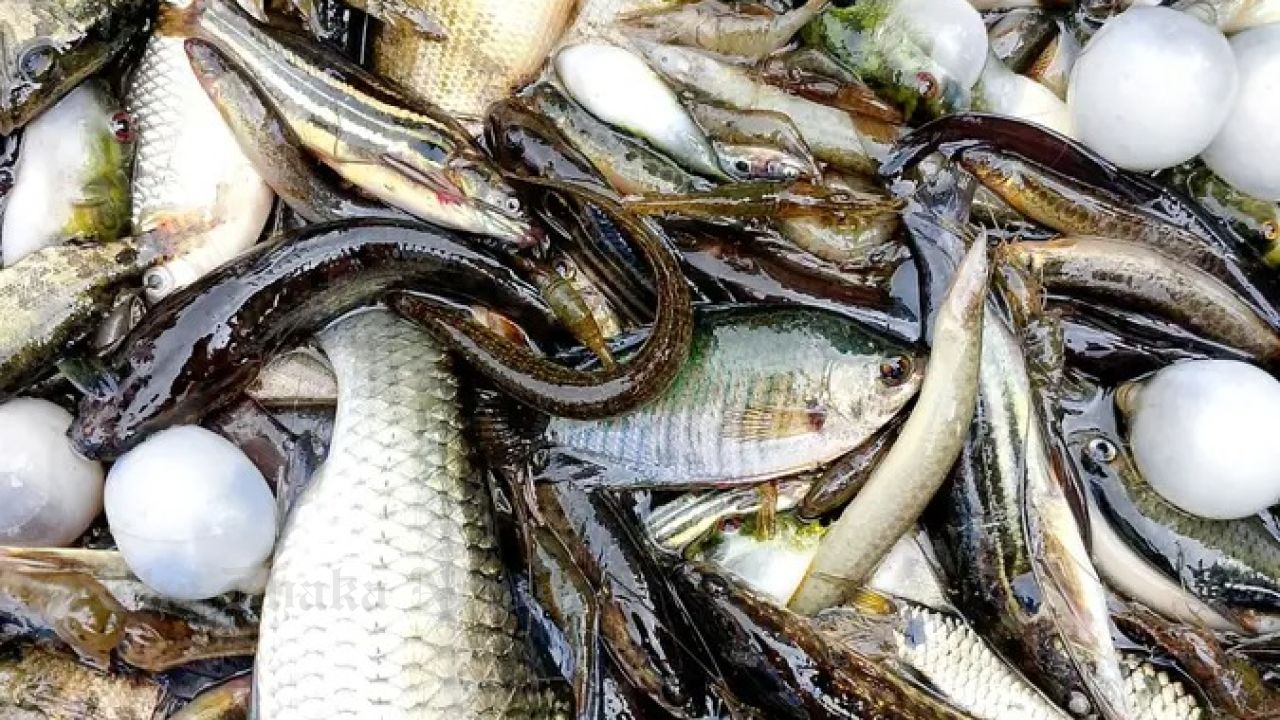
Once, as dawn broke across the rural landscape of Chandina in Cumilla, canals, marshes, ponds, and ditches buzzed with the joy of fishing. Local fish species like climbing perch (koi), catfish (shing, magur), tengra, pabda, spiny eel (baim), puti, kholse, and clown knifefish (chital) were routinely caught using nets, polo traps, or bare hands. The natural water bodies scattered throughout Chandina served as sanctuaries for these delicious native fish. Over time, however, human activities have made those familiar sights a memory of the past. Native fish species are disappearing from Chandina’s waters at an alarming rate, bringing them to the edge of extinction.The primary driver of this shift is the rapid expansion of commercial aquaculture. Over the last few decades, the number of fish farmers in Chandina has multiplied. Driven by profitability, most farmers have shifted to raising popular commercial species like pangas, tilapia, rui, and other carp varieties. Open canals, marshes, and lowlands—where native fish once naturally bred and thrived—have been carved up into embankments and converted into commercial fish farms. As these natural sanctuaries become private enclosures, the natural breeding process of native fish has come to a complete halt.The heaviest blow from modern fish farming stems from the excessive use of chemical drugs and poisons. Before stocking commercial fry or fingerlings, farm owners adopt a highly destructive practice. To prevent disease and accelerate the growth of farmed species, farmers heavily apply various chemical treatments to the water. These toxic chemicals kill off naturally growing native fish and their eggs almost instantly upon application. The very chemicals used to protect commercial fish have become a fatal threat to the survival of indigenous species.Despite legal prohibitions, these malpractices persist. Government regulations strictly forbid the use of poison or harmful chemicals to kill fish or treat water bodies. Yet, many farmers in Chandina continue to apply toxic substances, ignoring local environmental guidelines. Weak enforcement and the pursuit of quick profits have led to unregulated chemical dumping in these waters. This damages not only indigenous fish populations but also water quality and the surrounding aquatic ecosystem.Indigenous fish were more than a part of the local diet and culinary heritage; they provided an affordable source of everyday nutrition for rural communities. Free-flowing natural waters traditionally supplied low- and lower-middle-income families with essential protein. Today, finding native fish in local markets is rare, and the few available are beyond the reach of average buyers. Without strict law enforcement, effective bans on unregulated chemical use, and the creation of safe sanctuaries, these native species could soon disappear permanently from Chandina.
Copyright © ২০২৬ । All rights reserved.