.png)
50 dead in fire on refugee boat off Libyan coast
Desk News
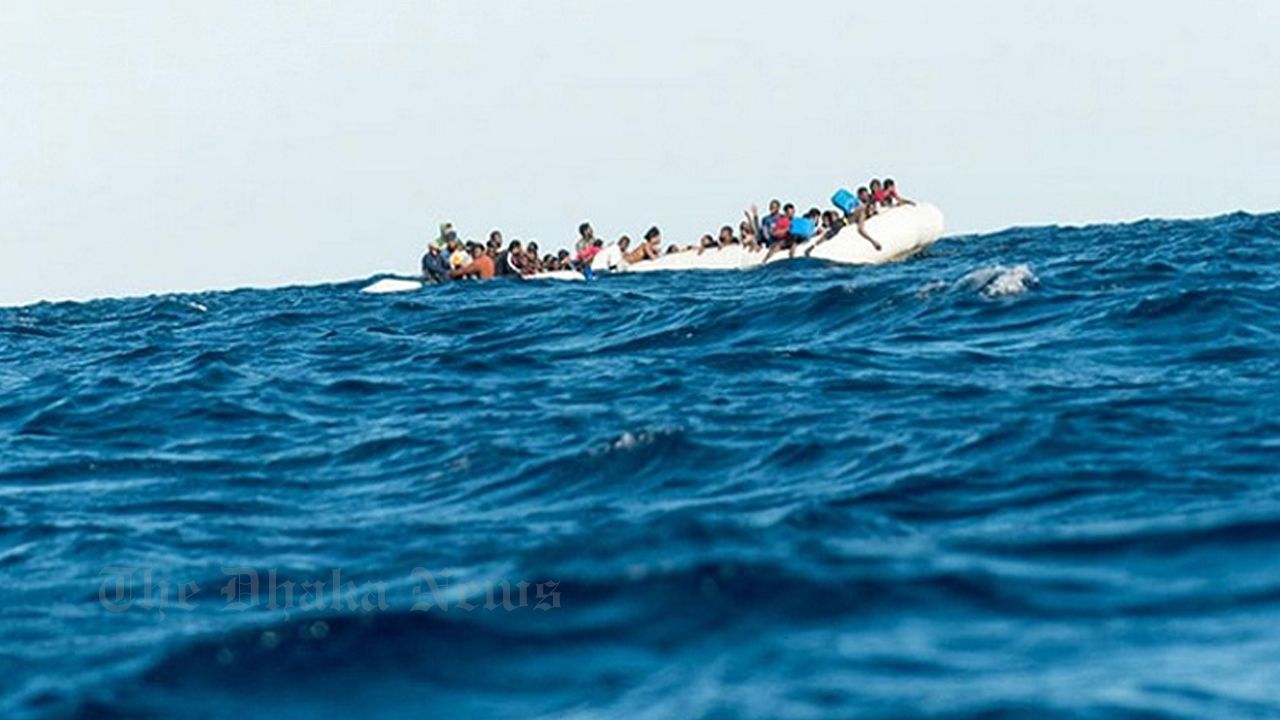
At least 50 Sudanese refugees have died in a boat fire off the coast of Libya, the International Organization for Migration (IOM) said, with 75 people on board.
Of those, 24 have been rescued alive, Al Jazeera reported on Tuesday (September 16).
The UN migration agency said 24 survivors were receiving medical attention. The agency posted on X.com, saying, “Urgent action is needed to prevent such tragic accidents at sea.”
Similar incidents have occurred before. Last month, at least 68 refugees and migrants died and many more are missing after a boat sank off the coast of Yemen.
According to the IOM, at least 2,452 migrants and refugees died or went missing in the Mediterranean last year. The route to Europe by sea is one of the deadliest in the world.
Libya has become a transit route for migrants heading to Europe since the ouster of long-time leader Muammar Gaddafi in 2011. There are now about 867,000 migrants in Libya. Under Gaddafi, migrants from various African countries found work in oil-rich Libya, but since his fall the country has been wracked by conflict between rival militias.
The accident is the latest example of migrants trying to cross the dangerous Mediterranean from Africa to Europe. At least 27 people died when two boats sank off the Italian island of Lampedusa in August. At least 60 people died or went missing in two shipwrecks off the Libyan coast in June.
Rights groups and UN agencies say refugees and migrants in Libya are routinely subjected to torture, rape and extortion.
In recent years, the European Union has provided equipment and funding to the Libyan coastguard to help stop the flow of migrants. But the coastguard has been accused of links to militias involved in torture and crime.
Human rights groups say that sea travel has become more dangerous as European countries gradually stop state rescue operations. Charities involved in rescue operations in the Mediterranean have also been subject to crackdowns by various states.
As a result, many people fleeing conflict and persecution are trapped in Libya and forced to spend their days in inhumane conditions in detention camps.