
Tuesday, 20 October 2026
The Dhaka News

‎Standing Firm in Faith, Respecting the Faith of Others

‎Standing Firm in Faith, Respecting the Faith of Others
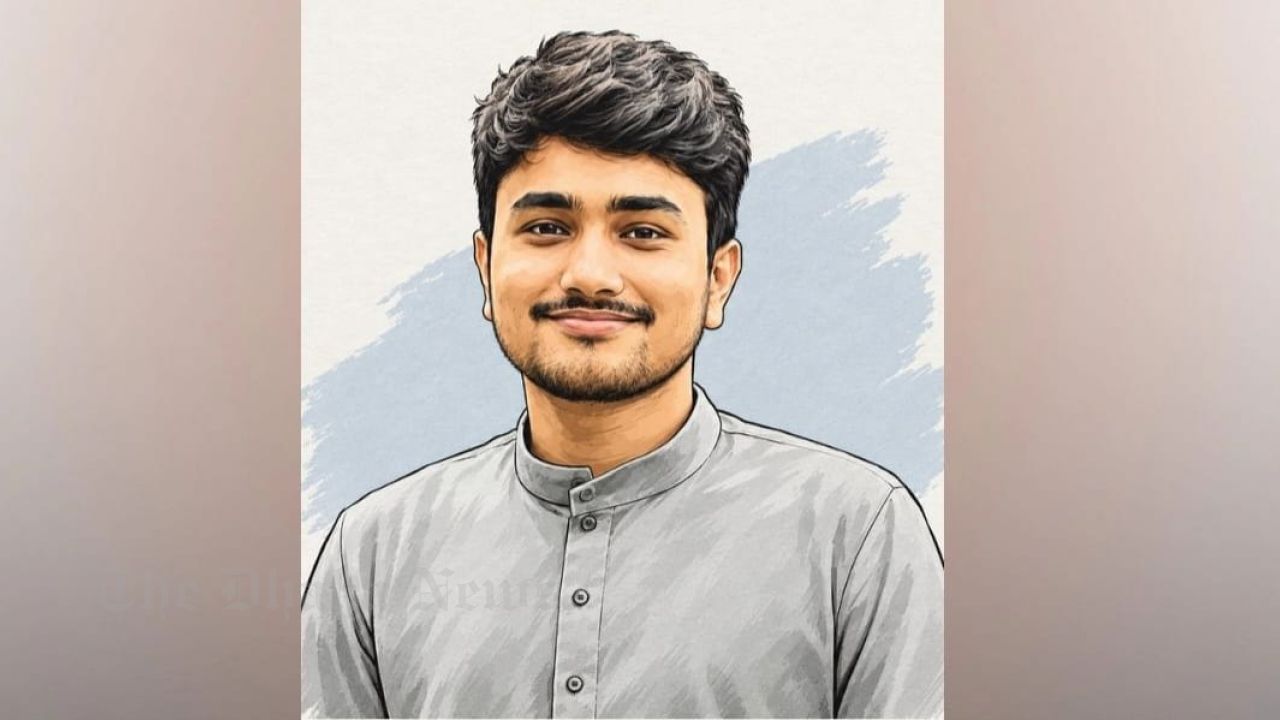
Yassir Arafat

Durga Puja, the biggest religious festival of the Hindu community, offers an opportunity to reflect on an important question: how can we remain true to our own religious beliefs while respecting the right of others to practise theirs?
‎‎

One of the main differences between Islam and Hinduism lies in their beliefs about God and worship. In Islam, Allah is One and has no equal. Associating anyone or anything with Him, known as ‘shirk’, is considered one of the gravest sins. Therefore, idol worship goes against the basic beliefs of a Muslim. This is a matter of faith. But differences in belief can never justify hatred towards people of other religions or interference in their religious freedom.

‎As a Muslim I believe it is my duty to remain firm in my faith. At the same time as a responsible citizen, I must respect the beliefs & religious practices of others. Being committed to one's own religion does not mean looking down on people who follow a different one. Knowing the difference between the two is an important part of being both religious and humane.

‎Yet some groups try to disrupt the religious festivals of other communities, attack their places of worship or hurt their religious feelings. My message to them is simple: religion should not be treated merely as a marker of identity. It should also teach us justice, self-control & kindness. Trying to prove the superiority of one's religion by denying others their religious freedom does not make that religion greater. Instead it goes against the values that religion is meant to teach.
‎
‎If we use hatred towards religious minorities, persecution and the arrogance of a majority as political tools, how are we different from the ‘Hardline Hindutva Politics’ we criticise in India? We condemn domination & discrimination when others practise them but what happens when we do the same? If we oppose injustice only to imitate it ourselves we lose the very moral ground on which our opposition stands.
‎
‎For me, this is not just a theoretical issue. It comes from my own experience.
‎
‎I live in Room 310 of Bijoy-24 Hall at Jamalpur Science and Technology University. Two of my four roommates are Hindus, and one of them belongs to an Indigenous community. Our small room brings together people with different religious beliefs, cultures and ways of life. Yet these differences have never created hostility among us. When I fell ill, it was my Hindu friend who took the greatest care of me. That experience reminded me that a person's identity is not defined by religion alone. Their kindness, sense of responsibility & willingness to stand beside others in difficult times also matter.
‎
‎I pray and recite the Holy Quran. My Hindu friend sometimes reads the Bhagavad Gita and sometimes listens to devotional songs in praise of Ram. Our food choices are different too: I eat beef, while he eats mutton. We follow different beliefs and religious practices, but these differences have never stood in the way of our friendship. Mutual respect & an understanding of each other's personal beliefs have made it possible for us to live together peacefully.
‎
‎Last year the Sanatan Vidyarthi Sangsad, JSTU invited me to attend Puja celebrations. I chose not to visit the puja venue because of my religious beliefs. However as a journalist, I covered the event and published a report on it. There is a clear difference between taking part in a religious ceremony & reporting on it. Choosing not to participate does not mean denying others the right to practise their religion. As a journalist I have a responsibility to report events. While as a Muslim, I have my own religious boundaries to maintain. These responsibilities do not have to conflict with each other.
‎
‎Against this background the reported incident at Jagannath University, where beef was slaughtered & consumed in front of a temple during Durga Puja, is deeply troubling and deserves condemnation. If it was done deliberately to hurt religious feelings or provoke tension, the matter is even more serious. An elected student union or a student organisation with an Islamic name should not be allowed to escape moral responsibility for such actions.
‎
‎The use of beef-related religious sentiments for political purposes is not new in South Asia. In India, hardline Hindutva politics has repeatedly turned the issue of cows & cow protection into a source of hostility and violence against Muslims and other minorities. Debates over the Citizenship Amendment Act (CAA) and the National Register of Citizens (NRC), the enforcement of cow-slaughter bans, violence in the name of cow protection and the demolition of homes and other structures using bulldozers have raised serious concerns. So have debates over changes to the Waqf law, restrictions on religious speeches and sermons, discrimination in education and employment, and the negative portrayal of Muslims in parts of the media and film industry. Together, these issues have kept the rights and safety of religious minorities in India at the centre of public debate.
‎
‎But while speaking out against such incidents, we must also ask ourselves a difficult question: do we stand for justice for everyone, or only for those we support? If we call something communalism, oppression or discrimination when others do it, we cannot justify the same behaviour when it comes from our own side. Calling it the defence of religion or a form of political resistance does not change its nature.
‎
‎Religious freedom does not belong to any one community alone. It is a basic right connected to every person's dignity, conscience and beliefs. I have the right to stay away from a religious practice that goes against my faith. Others have the same right to practise their religion without unjust interference from me or anyone else. Respecting these boundaries is essential to peaceful coexistence, responsible citizenship and a just society.
‎
‎If we truly want to stand against communalism we must do so consistently, regardless of religion, political affiliation or whether the people affected belong to a majority or a minority.
‎
‎In the end the question is simple: if our own actions reflect the same communalism that we claim to oppose, what makes us any different from those we criticise? We do not have to follow another person's religion to respect their right to practise it. The real test of our values is whether we can remain firm in our own faith while respecting the religious freedom and dignity of others.
‎
‎
‎Yassir Arafat
‎Student, Jamalpur Science and Technology University

Stay connected with The Dhaka News

The Dhaka News

মঙ্গলবার, ২০ অক্টোবর ২০২৬


‎Standing Firm in Faith, Respecting the Faith of Others

Published : ২০ অক্টোবর ২০২৬

featured Image
Durga Puja, the biggest religious festival of the Hindu community, offers an opportunity to reflect on an important question: how can we remain true to our own religious beliefs while respecting the right of others to practise theirs?‎‎One of the main differences between Islam and Hinduism lies in their beliefs about God and worship. In Islam, Allah is One and has no equal. Associating anyone or anything with Him, known as ‘shirk’, is considered one of the gravest sins. Therefore, idol worship goes against the basic beliefs of a Muslim. This is a matter of faith. But differences in belief can never justify hatred towards people of other religions or interference in their religious freedom. ‎As a Muslim I believe it is my duty to remain firm in my faith. At the same time as a responsible citizen, I must respect the beliefs & religious practices of others. Being committed to one's own religion does not mean looking down on people who follow a different one. Knowing the difference between the two is an important part of being both religious and humane. ‎Yet some groups try to disrupt the religious festivals of other communities, attack their places of worship or hurt their religious feelings. My message to them is simple: religion should not be treated merely as a marker of identity. It should also teach us justice, self-control & kindness. Trying to prove the superiority of one's religion by denying others their religious freedom does not make that religion greater. Instead it goes against the values that religion is meant to teach. ‎ ‎If we use hatred towards religious minorities, persecution and the arrogance of a majority as political tools, how are we different from the ‘Hardline Hindutva Politics’ we criticise in India? We condemn domination & discrimination when others practise them but what happens when we do the same? If we oppose injustice only to imitate it ourselves we lose the very moral ground on which our opposition stands. ‎ ‎For me, this is not just a theoretical issue. It comes from my own experience. ‎ ‎I live in Room 310 of Bijoy-24 Hall at Jamalpur Science and Technology University. Two of my four roommates are Hindus, and one of them belongs to an Indigenous community. Our small room brings together people with different religious beliefs, cultures and ways of life. Yet these differences have never created hostility among us. When I fell ill, it was my Hindu friend who took the greatest care of me. That experience reminded me that a person's identity is not defined by religion alone. Their kindness, sense of responsibility & willingness to stand beside others in difficult times also matter. ‎ ‎I pray and recite the Holy Quran. My Hindu friend sometimes reads the Bhagavad Gita and sometimes listens to devotional songs in praise of Ram. Our food choices are different too: I eat beef, while he eats mutton. We follow different beliefs and religious practices, but these differences have never stood in the way of our friendship. Mutual respect & an understanding of each other's personal beliefs have made it possible for us to live together peacefully. ‎ ‎Last year the Sanatan Vidyarthi Sangsad, JSTU invited me to attend Puja celebrations. I chose not to visit the puja venue because of my religious beliefs. However as a journalist, I covered the event and published a report on it. There is a clear difference between taking part in a religious ceremony & reporting on it. Choosing not to participate does not mean denying others the right to practise their religion. As a journalist I have a responsibility to report events. While as a Muslim, I have my own religious boundaries to maintain. These responsibilities do not have to conflict with each other. ‎ ‎Against this background the reported incident at Jagannath University, where beef was slaughtered & consumed in front of a temple during Durga Puja, is deeply troubling and deserves condemnation. If it was done deliberately to hurt religious feelings or provoke tension, the matter is even more serious. An elected student union or a student organisation with an Islamic name should not be allowed to escape moral responsibility for such actions. ‎ ‎The use of beef-related religious sentiments for political purposes is not new in South Asia. In India, hardline Hindutva politics has repeatedly turned the issue of cows & cow protection into a source of hostility and violence against Muslims and other minorities. Debates over the Citizenship Amendment Act (CAA) and the National Register of Citizens (NRC), the enforcement of cow-slaughter bans, violence in the name of cow protection and the demolition of homes and other structures using bulldozers have raised serious concerns. So have debates over changes to the Waqf law, restrictions on religious speeches and sermons, discrimination in education and employment, and the negative portrayal of Muslims in parts of the media and film industry. Together, these issues have kept the rights and safety of religious minorities in India at the centre of public debate. ‎ ‎But while speaking out against such incidents, we must also ask ourselves a difficult question: do we stand for justice for everyone, or only for those we support? If we call something communalism, oppression or discrimination when others do it, we cannot justify the same behaviour when it comes from our own side. Calling it the defence of religion or a form of political resistance does not change its nature. ‎ ‎Religious freedom does not belong to any one community alone. It is a basic right connected to every person's dignity, conscience and beliefs. I have the right to stay away from a religious practice that goes against my faith. Others have the same right to practise their religion without unjust interference from me or anyone else. Respecting these boundaries is essential to peaceful coexistence, responsible citizenship and a just society. ‎ ‎If we truly want to stand against communalism we must do so consistently, regardless of religion, political affiliation or whether the people affected belong to a majority or a minority. ‎ ‎In the end the question is simple: if our own actions reflect the same communalism that we claim to oppose, what makes us any different from those we criticise? We do not have to follow another person's religion to respect their right to practise it. The real test of our values is whether we can remain firm in our own faith while respecting the religious freedom and dignity of others. ‎ ‎ ‎Yassir Arafat ‎Student, Jamalpur Science and Technology University

The Dhaka News

Editor: Taskin Ahmed Riyad 

Copyright © ২০২৬ The Dhaka News । All Right Reserved