Thursday, 05 March 2026
The Dhaka News

Terrible Road Accident in Chandina Just Before Iftar: Driver Trapped Behind Steering Wheel

A horrific road accident involving a coal-laden drum truck occurred on the Dhaka-Chattogram highway in Chandina, Cumilla, just moments before Iftar. The accident took place on Tuesday (March 3) at approximately 5:50 PM in the Tirchar area of the upazila. According to eyewitnesses, the speeding drum truck lost control while attempting to overtake a cement-laden truck on the Dhaka-bound lane. The impact was so severe that the cement truck was pushed onto the highway median, and the front section of the drum truck was completely crushed.During the collision, the drum truck driver was critically injured and became trapped in his seat. Locals immediately began rescue operations and notified the authorities. Upon receiving the news, members of the Eliatganj Highway Police Station and Chandina Fire Service rushed to the spot and rescued the driver with the help of local residents. He was subsequently admitted to the Chandina Upazila Health Complex in critical condition. Following the accident, traffic came to a standstill on both sides of the highway, resulting in a nearly one-kilometer-long traffic jam. Normalcy returned after the wrecked vehicles were removed from the road. However, the identity of the injured driver could not be confirmed at the time of reporting.Regarding the incident, Md. Ruhul Amin, Officer-in-Charge (OC) of Eliatganj Highway Police Station, stated that it is primarily suspected that the accident occurred due to reckless speed while overtaking. He added that the police and fire service managed to restore traffic flow immediately after the rescue operation, and legal proceedings are currently underway.
3 March 2026

Massive Corruption Allegations Surface at Chandina Land Office as Public Expresses Deep Distress

The residents of Chandina Upazila in Cumilla are reportedly facing extreme hardship due to widespread corruption and irregularities within the Upazila Land Office. From the payment of land taxes to the processing of land mutations (Namjari), allegations of bribery have surfaced at every stage. Local citizens claim that no work is processed in this office without the involvement of middlemen, and any file lacking a "contractual sign" from these brokers is frequently rejected under various pretexts, leading to significant financial loss and mental harassment for the general public.According to government regulations, the land mutation process is supposed to be a systematic digital flow where an online application is verified by the Union Assistant Land Officer, investigated by the Surveyor for physical possession, and finally approved by the Assistant Commissioner (Land) after a hearing. However, investigations reveal that in practice, files do not move from one desk to another without the exchange of illicit money. Sources suggest that as soon as an application reaches the Union Land Office, officials demand a hard copy and check if it is brought by a designated broker. If not, a direct contract is negotiated with the applicant. Once a deal is finalized, a specific coded mark is placed on the file, which serves as a signal for other officials to proceed. It is further alleged that these "marked" files are tracked weekly to distribute the collected bribe money among the involved staff.Serious allegations have also been raised against the Assistant Commissioner (Land), Faisal Al Noor. Local sources claim that every evening, after regular office hours, meetings are held with Union Land Officers and specific brokers until late at night to settle the financial accounts of the contracted files before granting final approval. Victims have shared harrowing accounts of their experiences; for instance, Abdul Haque from Harong village reported paying 150,000 BDT to secure a mutation for a relative, while a college professor, requesting anonymity, stated he was forced to pay 200,000 BDT after his valid application was repeatedly rejected. Similarly, Abdul Ali Khondoker of Kaliarchor village saw his application rejected twice despite having all correct documents, simply because he refused to enter into a bribery contract with the local Tahsildar.When confronted with these grave allegations, Assistant Commissioner (Land) Faisal Al Noor dismissed the claims as baseless and purposefully motivated. He challenged the accusations by asking if there was any video evidence of him accepting bribes, stating that it is only natural for someone to have proof if they have indeed paid a bribe. Despite his denial, the mounting complaints from various sectors of society have led to a widespread demand for a high-level investigation into the daily operations of the Chandina Land Office to restore transparency and end the culture of harassment.
3 March 2026

Nature of Chandina Draped in a Red Carpet of Palash Blossom

With the arrival of spring, the transformation that nature undergoes finds a true reflection in the fields of Chandina. There was a time when Chandina meant an expanse of shrubs and dense greenery stretching to the horizon. Cutting through that woodland stood countless towering palash trees, raising their heads proudly. On the fiery days of Falgun, when all the leaves would fall away and only the bright crimson blossoms would bloom, it seemed as though the entire locality was immersed in a festival of red. But in the relentless passage of time, that picturesque scene has faded considerably. As the growing population searches for shelter, nature’s ancient forests have borne the brunt. One after another, shrubs have been cleared to build houses and factories, claiming innumerable palash trees as casualties.Over time, the once-familiar forests of palash in Chandina have become almost mythical. The miles upon miles of red glow are no longer visible. Yet, as living reminders of heritage, a few palash trees still survive in courtyards or on abandoned homesteads. Especially along rural roads, one may occasionally spot a solitary palash tree, neglected for most of the year but proudly announcing its presence with the touch of spring. When its branches burst into crimson bloom, it becomes clear that nature’s vitality has not completely faded. These flowers stand as vibrant advertisements of Chandina’s fading legacy.The palash tree is not merely a symbol of beauty; it is also an important refuge for biodiversity. Drawn by its crimson allure, crows, mynas, drongos, bulbuls, and many unnamed species of birds gather around it. As they sip nectar from the blossoms, filling the air with cheerful chirping, an extraordinary liveliness is created. The chorus of birds and the dance of falling petals in the breeze make it seem as though nature itself is playing a melodious instrument. Particularly in the gentle light of the morning sun, this scene takes on a magical form that instantly relieves the fatigue of mechanical urban life.Centered around the palash blossom, a unique social culture has developed in the rural communities of Chandina. When the bright red flowers fall to the ground with soft thuds, the joy of village children knows no bounds. Rising early in the morning, they gather beneath the trees in groups. Collecting the freshly fallen blossoms, they immerse themselves in innocent play—some string garlands, others decorate miniature houses with flowers. Such simple childhood joys would seem astonishing to a generation absorbed in smartphones. The significance of palash blossoms, however, extends beyond children’s games. For elderly village women, the fallen flowers hold a different value. When the blossoms become slightly dry, they carefully collect them. In rural areas, the petals are still sometimes used as fuel in cooking. Many also believe that parts of the tree possess medicinal properties helpful in relieving stomach ailments.The true importance of the palash tree is also felt in its natural fiber. Pillows and quilts made from palash cotton are considered comfortable, eco-friendly, and beneficial for health. Although synthetic fibers dominate urban markets, palash cotton still holds value in Chandina’s rural economy. Regrettably, however, the planting of new palash trees has declined alarmingly. Because the tree grows slowly and offers little immediate economic return, people are no longer enthusiastic about cultivating it. As a result, this vibrant symbol of spring is gradually disappearing from the heart of Chandina.In conclusion, the palash blossom is not merely a flower; it is an inseparable part of Chandina’s rural life, memory, and culture. Despite the encroachment of modernity and the shrinking of green spaces, protecting the remaining trees has become a necessity of our time. If we fail to preserve Chandina’s springtime beauty draped in a red carpet of palash, future generations may only see it in still photographs—wondering what that crimson magic once looked like. Only by safeguarding this unique gift of nature can we ensure the continuation of birdsong and the golden days of childhood painted in red.
3 March 2026
50-Bed Hospital Building Remains Inactive, Pressure Mounts on Old Facility, Doctors Avoid Journalists

50-Bed Hospital Building Remains Inactive, Pressure Mounts on Old Facility, Doctors Avoid Journalists

During a recent on-site visit to assess the progress of the new building and the overall healthcare services at Haimchar Upazila Health Complex in Chandpur, various irregularities and severe patient sufferings came to light.It was observed that due to a shortage of adequate seating and beds, many patients are being forced to receive medical services while sitting outside the building. Inside the facility, long queues of patients and an unhealthy environment were evident. Patients complained that they are compelled to receive treatment amid mosquito infestation and unhygienic conditions.Several patients reported that the condition of the hospital washrooms is extremely poor. Due to the lack of regular cleaning and maintenance, the toilets have become nearly unusable because of foul odors.There are also serious allegations regarding a shortage of doctors. Patients stated that they have to stand in long lines for extended periods due to insufficient medical staff. One patient mentioned that he had been waiting for more than an hour to receive treatment.It was learned that the officer in charge of the hospital, Dr. Abdullah Al Mamun, is currently on leave. In his absence, when attempts were made to speak with other doctors, they avoided journalists citing various excuses. Such behavior from responsible officials has raised concerns regarding transparency and accountability.During the on-site inspection, further allegations were received, and certain issues were directly observed by the reporter. There are complaints about the widespread presence of broker networks within the hospital premises, which the reporter also witnessed. Locals claim that patients are being diverted to nearby private clinics through alleged understandings. It was also observed that during duty hours, a doctor left the hospital premises to see patients at a related private clinic.Meanwhile, as the newly constructed 50-bed hospital building has not yet been made operational for a long time, healthcare services continue to be provided within the limited capacity of the old 31-bed facility. As a result, general patients are facing severe hardships.Not only the main hospital building but also the residential quarters constructed under the new project for doctors and nurses remain unprotected and unused. Due to the lack of inauguration and regular supervision, locals allege that these buildings have turned into gathering spots for drug users. During the on-site visit, evidence of cannabis and yaba consumption was found on various floors of the buildings. Signs of immoral activities were also reportedly observed. According to local residents, the abandoned buildings have effectively become a “safe zone” for drug users.Several patients seeking treatment at the hospital expressed that if the new building becomes operational quickly, they would be able to receive medical services comfortably and without disruption.Local residents have urged the concerned authorities to take immediate and effective measures to address the situation.
9 hrs ago
National

National

Nature of Chandina Draped in a Red Carpet of Palash Blossom

Nature of Chandina Draped in a Red Carpet of Palash Blossom

With the arrival of spring, the transformation that nature undergoes finds a true reflection in the fields of Chandina. There was a time when Chandina meant an expanse of shrubs and dense greenery stretching to the horizon. Cutting through that woodland stood countless towering palash trees, raising their heads proudly. On the fiery days of Falgun, when all the leaves would fall away and only the bright crimson blossoms would bloom, it seemed as though the entire locality was immersed in a festival of red. But in the relentless passage of time, that picturesque scene has faded considerably. As the growing population searches for shelter, nature’s ancient forests have borne the brunt. One after another, shrubs have been cleared to build houses and factories, claiming innumerable palash trees as casualties.Over time, the once-familiar forests of palash in Chandina have become almost mythical. The miles upon miles of red glow are no longer visible. Yet, as living reminders of heritage, a few palash trees still survive in courtyards or on abandoned homesteads. Especially along rural roads, one may occasionally spot a solitary palash tree, neglected for most of the year but proudly announcing its presence with the touch of spring. When its branches burst into crimson bloom, it becomes clear that nature’s vitality has not completely faded. These flowers stand as vibrant advertisements of Chandina’s fading legacy.The palash tree is not merely a symbol of beauty; it is also an important refuge for biodiversity. Drawn by its crimson allure, crows, mynas, drongos, bulbuls, and many unnamed species of birds gather around it. As they sip nectar from the blossoms, filling the air with cheerful chirping, an extraordinary liveliness is created. The chorus of birds and the dance of falling petals in the breeze make it seem as though nature itself is playing a melodious instrument. Particularly in the gentle light of the morning sun, this scene takes on a magical form that instantly relieves the fatigue of mechanical urban life.Centered around the palash blossom, a unique social culture has developed in the rural communities of Chandina. When the bright red flowers fall to the ground with soft thuds, the joy of village children knows no bounds. Rising early in the morning, they gather beneath the trees in groups. Collecting the freshly fallen blossoms, they immerse themselves in innocent play—some string garlands, others decorate miniature houses with flowers. Such simple childhood joys would seem astonishing to a generation absorbed in smartphones. The significance of palash blossoms, however, extends beyond children’s games. For elderly village women, the fallen flowers hold a different value. When the blossoms become slightly dry, they carefully collect them. In rural areas, the petals are still sometimes used as fuel in cooking. Many also believe that parts of the tree possess medicinal properties helpful in relieving stomach ailments.The true importance of the palash tree is also felt in its natural fiber. Pillows and quilts made from palash cotton are considered comfortable, eco-friendly, and beneficial for health. Although synthetic fibers dominate urban markets, palash cotton still holds value in Chandina’s rural economy. Regrettably, however, the planting of new palash trees has declined alarmingly. Because the tree grows slowly and offers little immediate economic return, people are no longer enthusiastic about cultivating it. As a result, this vibrant symbol of spring is gradually disappearing from the heart of Chandina.In conclusion, the palash blossom is not merely a flower; it is an inseparable part of Chandina’s rural life, memory, and culture. Despite the encroachment of modernity and the shrinking of green spaces, protecting the remaining trees has become a necessity of our time. If we fail to preserve Chandina’s springtime beauty draped in a red carpet of palash, future generations may only see it in still photographs—wondering what that crimson magic once looked like. Only by safeguarding this unique gift of nature can we ensure the continuation of birdsong and the golden days of childhood painted in red.
3 March 2026
International

International

Top Trump Envoys Visit US Aircraft Carrier as Iran Talks Expected to Continue

Top Trump Envoys Visit US Aircraft Carrier as Iran Talks Expected to Continue

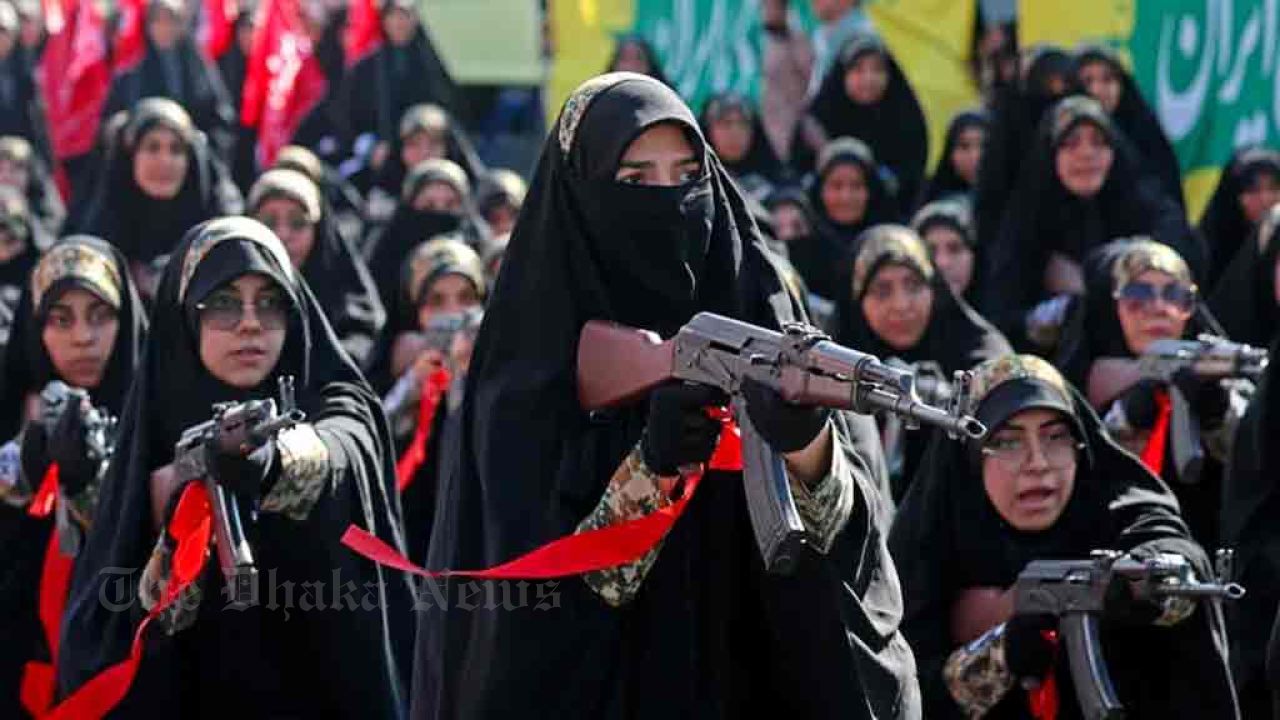
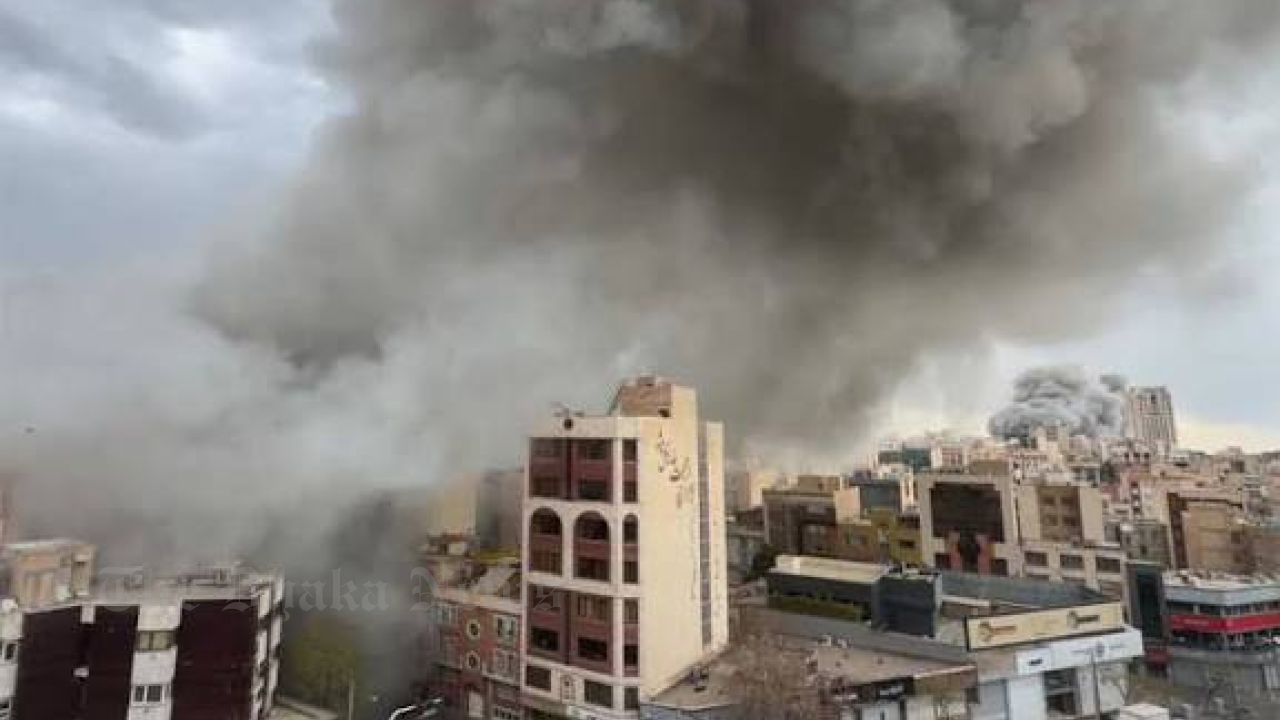
WASHINGTON - Two senior US officials leading negotiations with Iran visited the USS Abraham Lincoln aircraft carrier in the Arabian Sea on Saturday, underscoring Washington’s military presence in the region as diplomatic efforts between the two countries are expected to continue.According to the US military’s Central Command (CENTCOM), President Donald Trump’s top Iran negotiators, Steve Witkoff and Jared Kushner, toured the nuclear-powered aircraft carrier and its strike group. CENTCOM confirmed the visit in a social media statement.Witkoff later said the carrier group is playing a vital role in regional security, describing it as an example of maintaining peace through strength  a message aligned with President Trump’s approach.Meanwhile, Iranian Foreign Minister Abbas Araghchi expressed hope that discussions with the United States would resume soon. He emphasized that Tehran would stand by its key conditions and cautioned against any potential American military action.The comments came after US and Iranian officials held an initial round of indirect talks in Oman on Friday. Araghchi characterized the meeting as a positive beginning, while President Trump also described the discussions as productive.The USS Abraham Lincoln was deployed to the Middle East in January amid heightened tensions, as Washington increased pressure on Iran following Tehran’s crackdown on widespread anti-government protests. Friday’s talks marked the first diplomatic engagement since nuclear negotiations collapsed last year. That breakdown followed Israel’s large-scale bombing campaign against Iran, which escalated into a 12-day conflict. During that period, US aircraft also carried out strikes on Iranian nuclear facilities.
8 February 2026
Campus

Campus

Seminar on future of supply chain and marketing in AI era held at JKKNIU

Seminar on future of supply chain and marketing in AI era held at JKKNIU

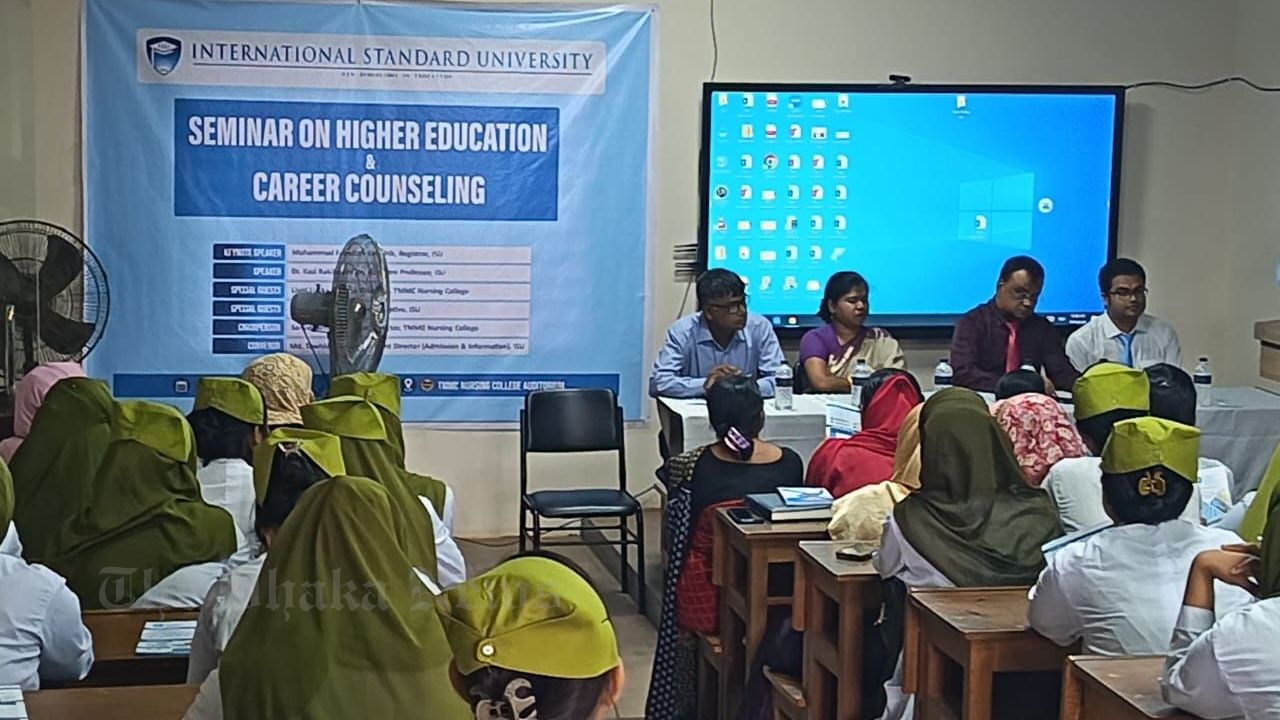
Marketing Department of Jatiya Kabi Kazi Nazrul Islam University (JKKNIU) organized a seminar titled "From Data to Decision: The Future of Marketing in the Age of AI" on campus.The event took place at the Nabajug Auditorium of the Central Library at 11:00 am on Monday.The seminar focused on the transformation of the marketing sector in the age of Artificial Intelligence (AI) and the significance of data-driven decision-making.Dr Md. Abdul Momen, Chairman of the Marketing Department, presided over the session. Faisal Alam, Lead (Demand and Supply Planning) of the Food and Beverage Division at Nestle Bangladesh PLC, and Kazi Sami Al-Jabir, Demand and Supply Planner at the same organization, attended the event as key speakers.Addressing the students, Faisal Alam said, "In the current world, production and marketing are not the final words. There is no alternative to data analysis to understand consumer behavior and make accurate business decisions. Artificial Intelligence has made this process easier. Students must cultivate a tech-friendly mindset starting now."Kazi Sami Al-Jabir emphasized the coordination between supply chain management and marketing. He provided basic insights into various AI tools, noting, "To survive in the future corporate world, acquiring technological skills alongside textbook knowledge is essential."Among others, Sumona Akter Sumi, Lecturer in the Marketing Department, and students from various departments attended the program.Department Chairman Dr Momen stated that the seminar aimed to introduce students to real-world industry experiences alongside their theoretical classroom education. The event concluded with a question-and-answer session where students sought career advice and insights on modern marketing from the experts.

2 February 2026
Job

Job

No Post Found !
Web Story

Web Story

Election

Election

Jamaat Ameer hopes for violence-free and acceptable polls

Jamaat Ameer hopes for violence-free and acceptable polls

Bangladesh Jamaat-e-Islami Ameer Dr Shafiqur Rahman has voiced hope that the ongoing election will be conducted peacefully and fairly, free from violence or undue influence, and that its outcome will be acceptable to all parties.After casting his vote at Monipur High School and College in the capital, Dr Shafiqur Rahman told reporters that his party would respect the election results provided the voting process remains free, impartial, and credible.He emphasized that a fair process is the foundation of democracy, saying that any result emerging from such a system should be accepted by everyone. According to him, mutual acceptance of a transparent outcome reflects the true spirit of democratic practice.Dr Rahman noted that citizens had waited a long time for the opportunity to vote. Expressing gratitude to the Almighty, he said he hopes the election will mark the beginning of a positive new phase for Bangladesh.He also highlighted the enthusiasm among young voters, many of whom are participating in an election for the first time, describing their anticipation as significant.Looking ahead, the Jamaat leader said he hopes the election will lead to the formation of a government that represents the entire population rather than any individual, family, or political group. He expressed optimism about such a possibility and asked for public goodwill.Dr Rahman added that he plans to visit additional polling centers to observe the situation. While minor issues may be overlooked, he stressed that any serious irregularities would be addressed to protect citizens’ voting rights.Calling for unity, he said the country belongs to all its people and should be developed collectively. He also underscored the importance of the media, describing it as a vital pillar of society, and expressed hope that journalists would contribute positively to nation-building.He encouraged voters, both men and women, to participate in the election peacefully, safely, and without fear, saying active civic engagement is essential to strengthening the state. Addressing media coverage, Dr Rahman remarked that the same incident can sometimes be portrayed differently by various outlets. He reiterated his opposition to wrongdoing by anyone, while cautioning against misrepresenting non-criminal matters as crimes, adding that such practices should be avoided.
20 October 2025
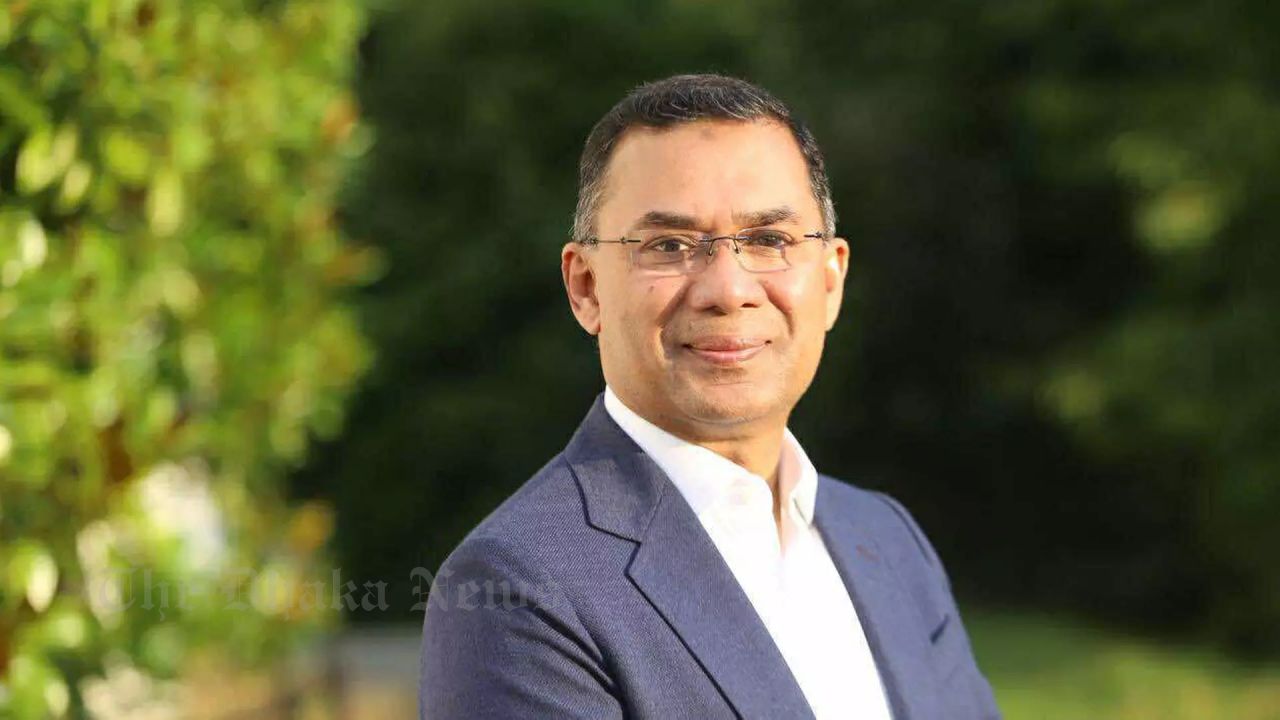
Tarique Rahman Seeks Public Support in Upcoming Election to Build a Safer Bangladesh

Tarique Rahman Seeks Public Support in Upcoming Election to Build a Safer Bangladesh

20 October 2025
Cricket

Cricket

Pakistan Sets Three Conditions for Playing India, Including Compensation for Bangladesh

Pakistan Sets Three Conditions for Playing India, Including Compensation for Bangladesh

A new standoff has emerged in international cricket as the Pakistan Cricket Board (PCB) has presented three key demands to the International Cricket Council (ICC) in an effort to resolve the ongoing disagreement over Bangladesh’s exclusion from the T20 World Cup.Earlier, Bangladesh had requested the ICC to change match venues after India declined to play in the tournament. In response, the ICC removed Bangladesh from the competition, a decision that Pakistan strongly supported and publicly backed Bangladesh.After Bangladesh was excluded, the PCB announced its intention to boycott the match against India in protest, creating a deadlock with the global governing body of cricket. Recent developments, however, suggest there may be a way forward.According to NDTV sources, PCB officials met with ICC representatives in Lahore and submitted three major demands aimed at breaking the impasse. The demands are:1. Enhanced compensation for Bangladesh,2. Assurance of participation fees for Bangladesh despite being removed from the World Cup,3. Granting Bangladesh the right to host future ICC events.Despite warnings from the ICC about possible consequences, Pakistan remained firm in its decision to boycott the India match. Some PCB officials are reportedly in favor of playing, but PCB Chairman Mohsin Naqvi has maintained his previous position.Before finalizing the decision, Naqvi is scheduled to meet with Pakistan’s Prime Minister, Shehbaz Sharif, today (Monday). How the situation will develop and whether the three demands lead to a resolution remains a key focus for the cricketing world.TDN/

9 February 2026
Nationwide

Nationwide

Earthquake Strikes the Country Again

Earthquake Strikes the Country Again

An earthquake has shaken the entire country, including the capital. The tremor was felt at 1:54 PM on Friday (February 27). According to the European-Mediterranean Seismological Centre (EMSC), the earthquake measured 5.3 on the Richter scale. The agency reported that the epicenter was located 47 kilometers southwest of Khulna district town and 18 kilometers southeast of Satkhira. The depth of the earthquake was 35 kilometers below the surface.The tremor was felt not only in the capital, Dhaka, but also in several southwestern districts of the country and in some areas of neighboring India (such as Barasat). So far, no reports of damage or casualties have been received as a result of the earthquake. As several earthquakes have been felt in Bangladesh toward the end of this month, panic has spread among the general public. However, no major damage has been reported so far. The disaster management authorities have advised everyone to remain alert in case of emergencies.
20 October 2025
Economy

Economy

Bumper Maize Harvest Expected in Chandina: Double Profits Through Intercropping

Bumper Maize Harvest Expected in Chandina: Double Profits Through Intercropping

The vast horizons of Chandina’s agricultural fields are currently blanketed in a sea of green, with healthy maize stalks swaying in the breeze as far as the eye can see. This season, the Chandina Upazila of Cumilla is witnessing the potential for a record-breaking maize harvest. Thanks to favorable weather conditions and intensive supervision from the local agricultural office, farmers are filled with optimism. Due to lower production costs and higher profit margins compared to rice or other traditional crops, farmers in this region are increasingly shifting toward large-scale maize cultivation.According to recent data from the Chandina Upazila Agriculture Office, maize has been cultivated on a total of 685 hectares of land this year. Due to the tireless efforts of agricultural officers and field-level training on modern farming techniques, experts anticipate a significantly better yield than in previous years. The Upazila Agriculture Officer has been personally visiting the fields to provide necessary advice and support, which has greatly boosted the farmers' morale.The scene in Mehar village is particularly encouraging, where a hardworking farmer named Babul Mia cultivated maize on 12 decimals of land. Neighbors are impressed by the freshness and rapid growth of his crop. Babul Mia noted that labor and irrigation costs for maize are relatively low, while market prices and demand remain strong. Furthermore, low pest infestation reduces the need for expensive pesticides, which ultimately increases the final profit margin.An even more innovative approach was taken by Ismail Hossain, a farmer from the same village who maximized his land's potential by planting coriander as an intercrop alongside his maize. He shared that this method required no extra fertilizer or special care. Consequently, he was able to harvest and sell the coriander to cover his initial cultivation costs before the maize even matured. He is now looking forward to a pure profit from his healthy maize stalks.This success is creating a positive ripple effect in the local market. Since maize is in high demand as a primary ingredient for poultry and animal feed, wholesalers are already eager to purchase the produce directly from the fields. The expansion of modern agricultural technology and the growing interest in intercropping have opened a new horizon in Chandina’s agricultural economy. Stakeholders believe that with continued government support and efficient marketing systems, maize cultivation will continue to grow, fulfilling the dreams of thousands of farmers currently waiting for their golden harvest.
Md. Osman Gani