Wednesday, November 25, 2026

China plans to invest in the country's jute, textiles, pharmaceuticals and green technology

China plans to invest in the country's jute, textiles, pharmaceuticals and green technology

Chinese investors have expressed interest in investing heavily in Bangladesh's eco-friendly technology, jute, textile and pharmaceutical sectors. This interest has emerged as part of the manufacturing sector transformation plan announced by Principal Advisor Professor Muhammad Yunus.

This information was given by the Principal Advisor's press wing on Friday (November 28).

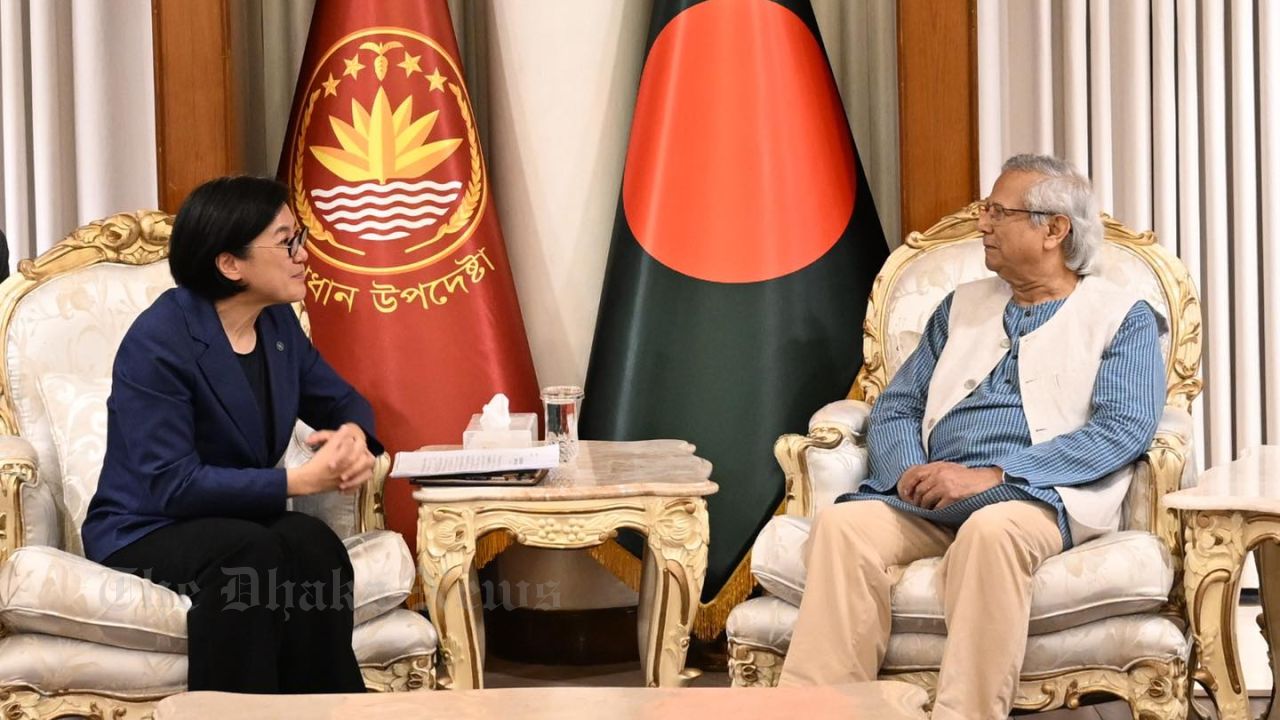
Yang Dongning, Vice President of the Export-Import Bank of China (Exim Bank), expressed this interest during a meeting with the Principal Advisor at the State Guest House Jamuna on Thursday. At that time, he was accompanied by Dr. Ma Jun, President of the Institute of Finance and Sustainability, a state-owned institution of China.

Yang Dongning said that in addition to China's long-standing infrastructure investment in Bangladesh, they are now focusing on the manufacturing sector. These include rooftop solar panels and large projects to create energy, biochar and plastic alternatives centered on the country's 'golden fiber' jute. He said that Exim Bank is also interested in financing these direct manufacturing investments.

Dr. Ma Jun said that the traditional jute industry is particularly attractive to Chinese investors. They want to work together with local entrepreneurs. He said that Chinese companies are ready to use up to 1 million tons of jute per year to produce green energy, fertilizers and plastic alternatives. Dr. Ma Jun also said that there is a great opportunity for Chinese-funded jute-based joint ventures.

Welcoming this interest from China, Principal Advisor Professor Muhammad Yunus said that if Chinese investors want, it is possible to transform Bangladesh into a hub for exporting manufactured goods—which will increase export opportunities to developed countries and China. He identified pharmaceuticals and healthcare as a potential sector for Chinese investment.

Dr. Yunus also said that as the world's largest solar power producer, China can play a major role in supporting Bangladesh in the green energy sector, including rooftop solar.

The Principal Advisor encouraged Chinese companies to relocate manufacturing plants to Bangladesh. He said that the country's vast young workforce and closed state-owned jute mills have created great opportunities for joint ventures. He added, "This is a very important dimension. We welcome this. We want them to be implemented quickly.’

Yang Dongning said that China is also considering investment opportunities in AI and e-commerce – two areas in which China is already a global leader.

In response, the Chief Advisor invited Chinese companies to set up factories in the southeast of the country. He said that the region has the country’s largest seaport and strategic proximity to Southeast Asian markets including Myanmar and Thailand, creating great opportunities.

Professor Yunus said that the region has huge potential in terms of sea access. If Chinese industrial factories are relocated here, their products can be exported to developed countries as well as China.

Dr. Yunus also said that if Chinese companies come forward to establish rail links with southern China, regional connectivity will increase and the export of products from the relocated factories will be easier.

At the beginning of the meeting, the Chief Advisor expressed deep condolences over the loss of many lives in a fire in a residential building in Hong Kong.

Also present at the event were Lamia Morshed, Principal Coordinator for SDG Affairs and Senior Secretary of the Office of the Chief Advisor, and Yao Wen, Chinese Ambassador to Dhaka, among others.

0.0%
0.0%
0.0%
0.0%

Comments

The Dhaka News

Wednesday, November 25, 2026


China plans to invest in the country's jute, textiles, pharmaceuticals and green technology

Published Date : November 28, 2025
featured Image
Chinese investors have expressed interest in investing heavily in Bangladesh's eco-friendly technology, jute, textile and pharmaceutical sectors. This interest has emerged as part of the manufacturing sector transformation plan announced by Principal Advisor Professor Muhammad Yunus.This information was given by the Principal Advisor's press wing on Friday (November 28).Yang Dongning, Vice President of the Export-Import Bank of China (Exim Bank), expressed this interest during a meeting with the Principal Advisor at the State Guest House Jamuna on Thursday. At that time, he was accompanied by Dr. Ma Jun, President of the Institute of Finance and Sustainability, a state-owned institution of China.Yang Dongning said that in addition to China's long-standing infrastructure investment in Bangladesh, they are now focusing on the manufacturing sector. These include rooftop solar panels and large projects to create energy, biochar and plastic alternatives centered on the country's 'golden fiber' jute. He said that Exim Bank is also interested in financing these direct manufacturing investments.Dr. Ma Jun said that the traditional jute industry is particularly attractive to Chinese investors. They want to work together with local entrepreneurs. He said that Chinese companies are ready to use up to 1 million tons of jute per year to produce green energy, fertilizers and plastic alternatives. Dr. Ma Jun also said that there is a great opportunity for Chinese-funded jute-based joint ventures.Welcoming this interest from China, Principal Advisor Professor Muhammad Yunus said that if Chinese investors want, it is possible to transform Bangladesh into a hub for exporting manufactured goods—which will increase export opportunities to developed countries and China. He identified pharmaceuticals and healthcare as a potential sector for Chinese investment.Dr. Yunus also said that as the world's largest solar power producer, China can play a major role in supporting Bangladesh in the green energy sector, including rooftop solar.The Principal Advisor encouraged Chinese companies to relocate manufacturing plants to Bangladesh. He said that the country's vast young workforce and closed state-owned jute mills have created great opportunities for joint ventures. He added, "This is a very important dimension. We welcome this. We want them to be implemented quickly.’Yang Dongning said that China is also considering investment opportunities in AI and e-commerce – two areas in which China is already a global leader.In response, the Chief Advisor invited Chinese companies to set up factories in the southeast of the country. He said that the region has the country’s largest seaport and strategic proximity to Southeast Asian markets including Myanmar and Thailand, creating great opportunities.Professor Yunus said that the region has huge potential in terms of sea access. If Chinese industrial factories are relocated here, their products can be exported to developed countries as well as China.Dr. Yunus also said that if Chinese companies come forward to establish rail links with southern China, regional connectivity will increase and the export of products from the relocated factories will be easier.At the beginning of the meeting, the Chief Advisor expressed deep condolences over the loss of many lives in a fire in a residential building in Hong Kong.Also present at the event were Lamia Morshed, Principal Coordinator for SDG Affairs and Senior Secretary of the Office of the Chief Advisor, and Yao Wen, Chinese Ambassador to Dhaka, among others.

The Dhaka News

Editor: Taskin Ahmed Riyad 

Copyright © 2026 The Dhaka News | All Rights Reserved
China plans to invest in the country's jute, textiles, pharmaceuticals and green technology
0:00 0:00
1.0x