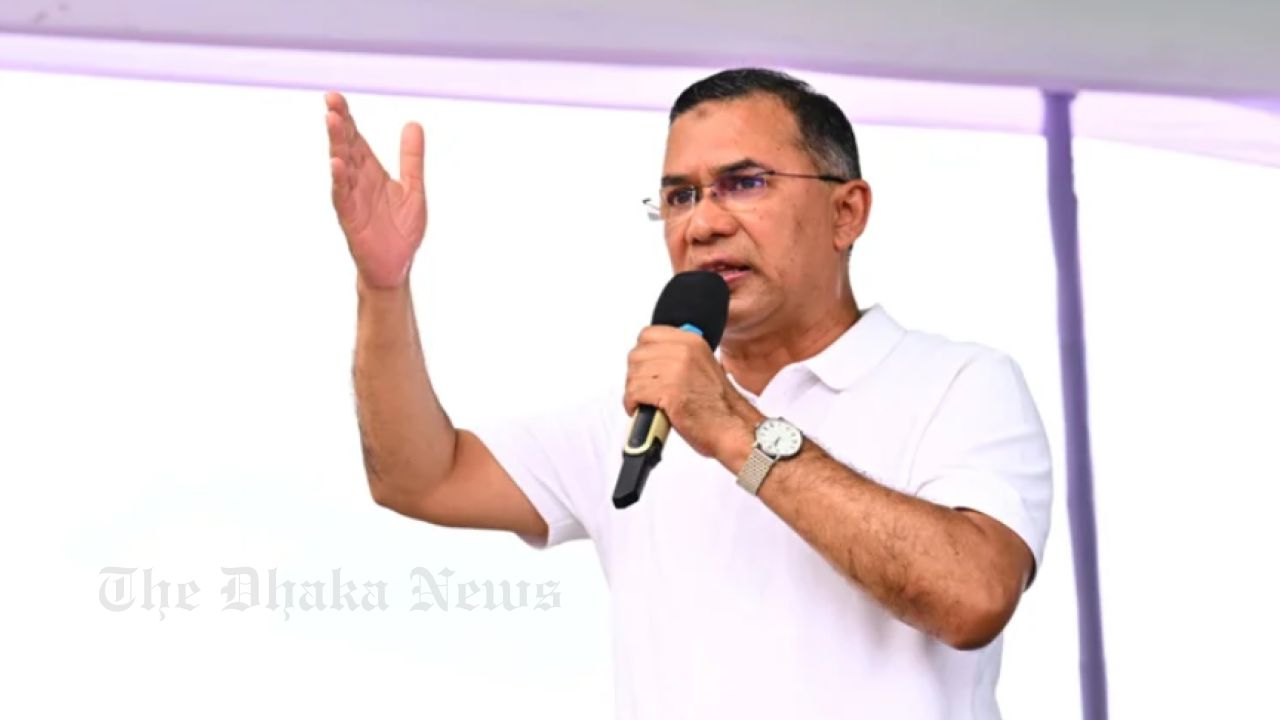
Ensuring a Safe Childhood for Every Child Is Government’s Firm Commitment: PM
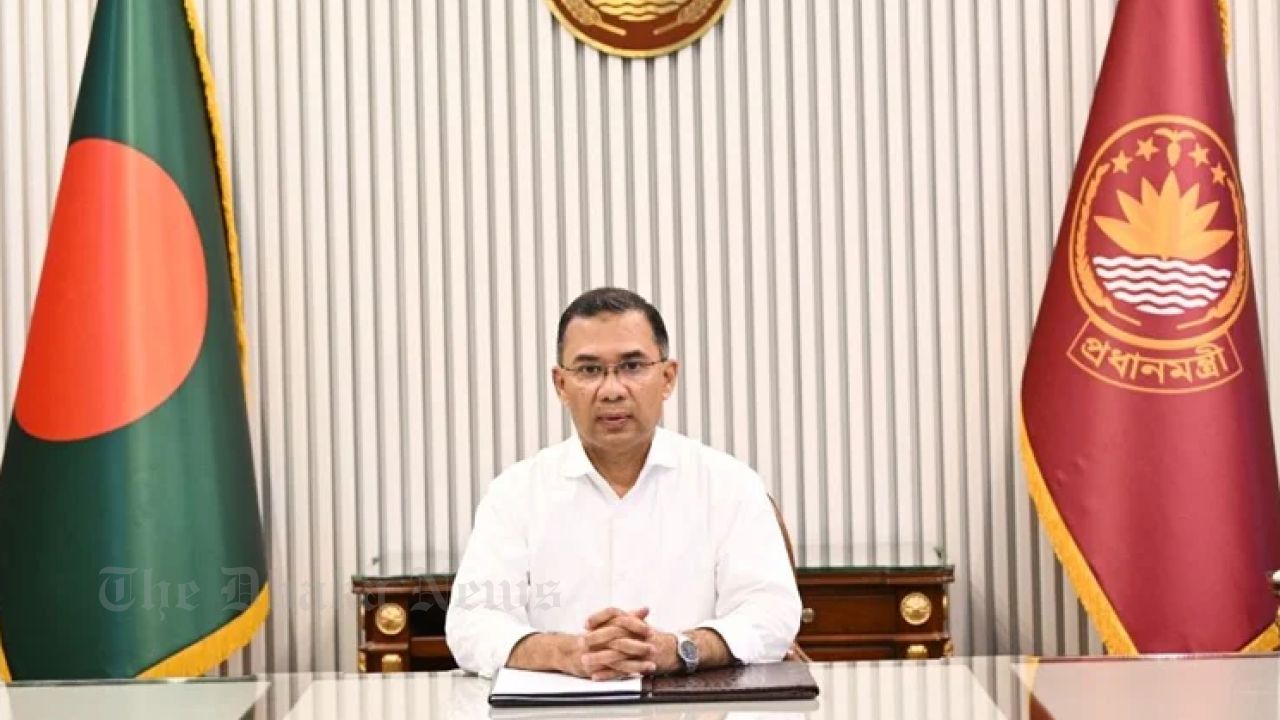
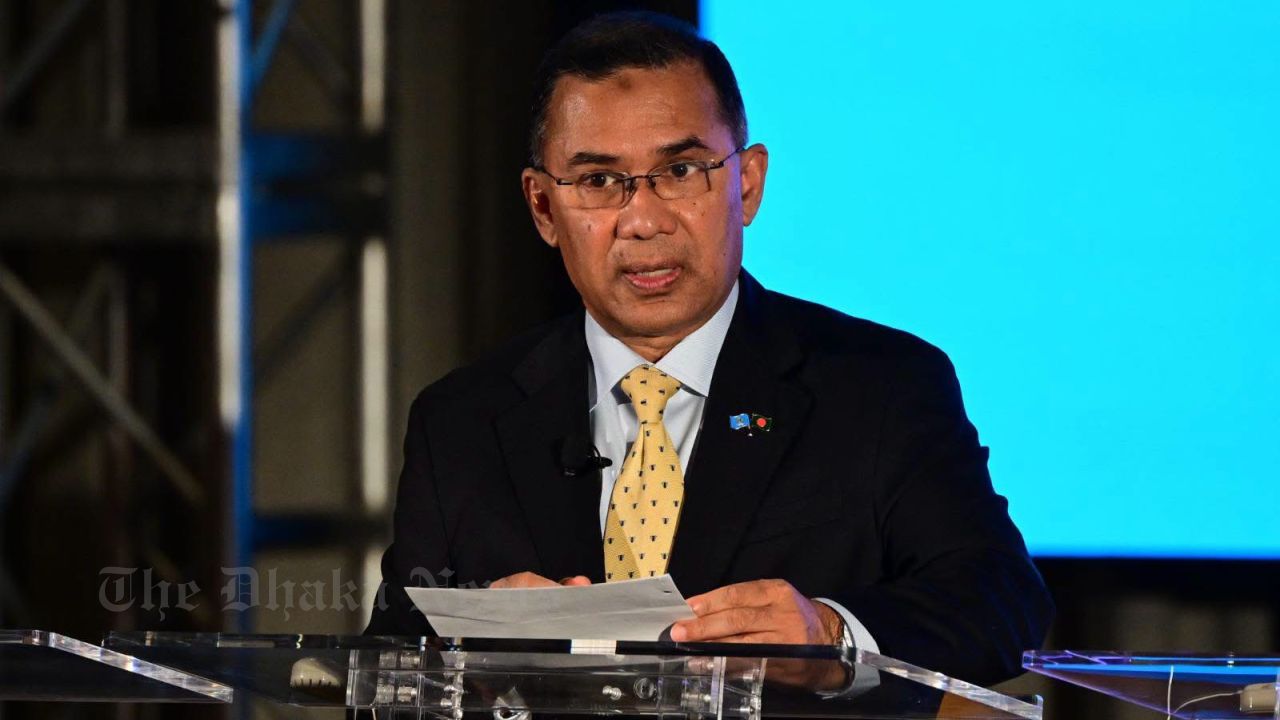
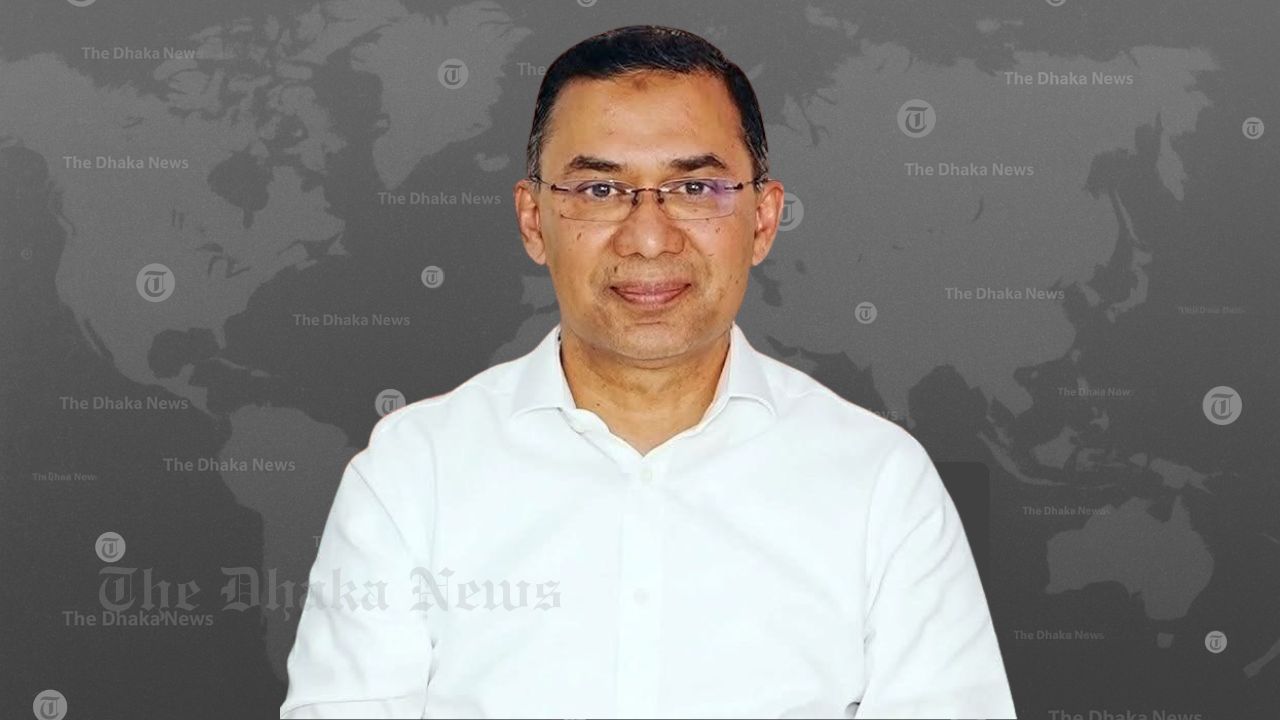
Prime Minister Tarique Rahman has said ensuring a safe and risk-free childhood for every child in the country is a firm commitment of the government. He also stressed the need to provide children with ethical, modern and science-based education, universal healthcare, adequate nutrition, and ample opportunities for sports and cultural activities.The Prime Minister made the remarks in a message issued on Monday ahead of Children’s Rights Day and the 50th anniversary of Bangladesh Shishu Academy, which will be observed on Tuesday.In his message, Tarique Rahman said Shaheed President Ziaur Rahman, the declarer of Bangladesh’s independence, established Bangladesh Shishu Academy in 1976. The institution completed 50 years in October 2026. To mark the occasion, a three-day programme will be held from October 6 to 8 to celebrate the golden jubilee of Bangladesh Shishu Academy and Children’s Rights Day 2026.The Prime Minister said the overall development of children is essential for building an organised, prosperous and humane society. However, challenges such as child labour, social violence, child marriage and discrimination continue to affect children. Collective efforts by families, society and the state are needed to address these problems.He said every child carries immense potential and represents the dreams of tomorrow. Today’s children will become future leaders, teachers, scientists, guardians and key contributors to the country’s development. Ensuring proper care, affection, education and a secure environment for them is therefore a shared responsibility.Tarique Rahman said the innocent smiles of children represent the hopes and enormous possibilities of a new Bangladesh. Creating an environment where their hidden talents and creativity can flourish is not only a moral and social responsibility but also a national one.He noted that Bangladesh Shishu Academy, established under state patronage for the welfare and development of children, introduced the National Children’s Award competition in 1978. Such initiatives, he said, have played an important role in nurturing children’s talent and creativity.The Prime Minister also highlighted various measures taken by former Prime Minister and BNP Chairperson Begum Khaleda Zia to ensure the safety of children and protect their rights and interests. He said Bangladesh’s participation in the International Labour Organization’s IPEC programme in 1994 to combat child labour, along with her role in strengthening institutional protection for children, was significant.Tarique Rahman said children of today would help elevate Bangladesh’s position on the global stage in the fields of science and technology, sports, arts, literature and other areas in the future.He further said the country is celebrating not only Children’s Rights Day but also the golden jubilee of Bangladesh Shishu Academy. Over its five decades, the academy has emerged as an important institution for nurturing children’s talent and creativity, symbolising their aspirations, artistic expression and hopes for a brighter future.The Prime Minister expressed hope that the golden jubilee of Bangladesh Shishu Academy would inspire the new generation to embrace new dreams and contribute to building a more humane society. He said a safe, beautiful and self-reliant Bangladesh of tomorrow would be built through the innocent smiles, dreams and achievements of its children.He extended his heartfelt greetings and congratulations to all children, parents, teachers and individuals and organisations working for child welfare on the occasion of Children’s Rights Day.The Prime Minister also wished overall success for all programmes organised to mark Children’s Rights Day and the 50th anniversary of Bangladesh Shishu Academy.
.png)