.png)

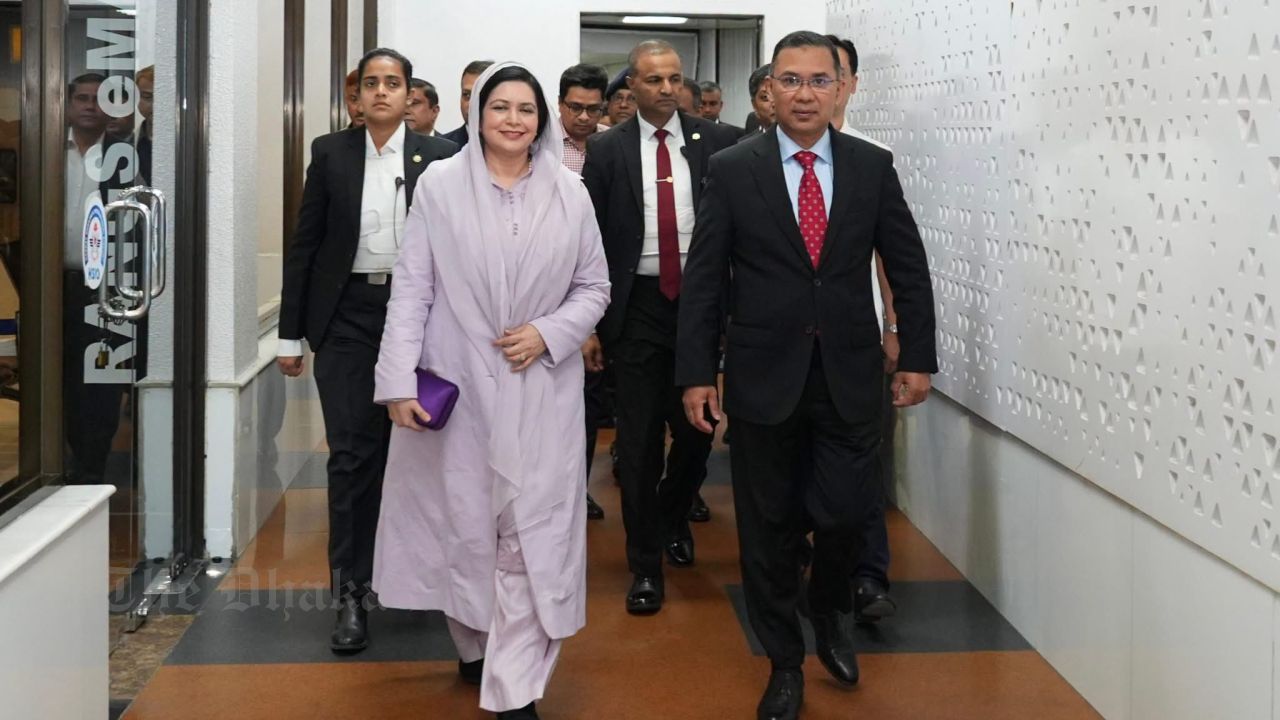
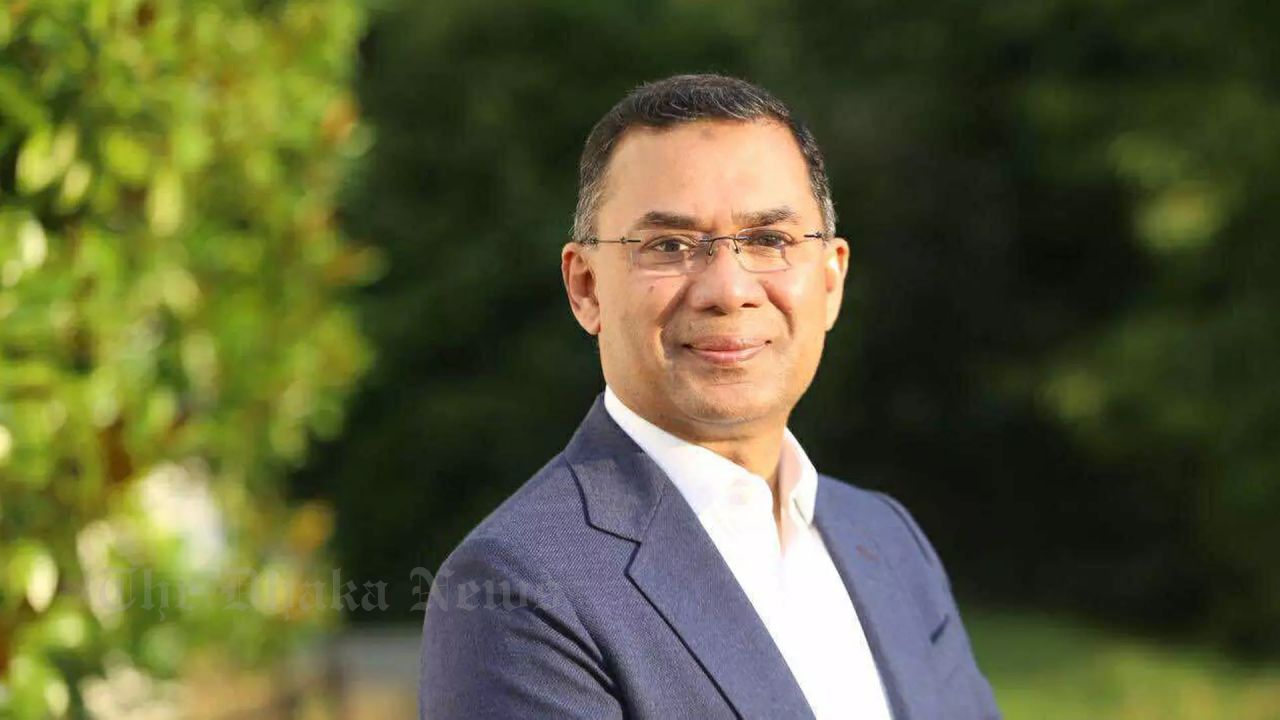
Prime Minister Tarique Rahman arrived in Dhaka early Friday after completing a four-day official visit to Japan, during which the two countries agreed to deepen cooperation in trade, investment, energy, infrastructure and technology.
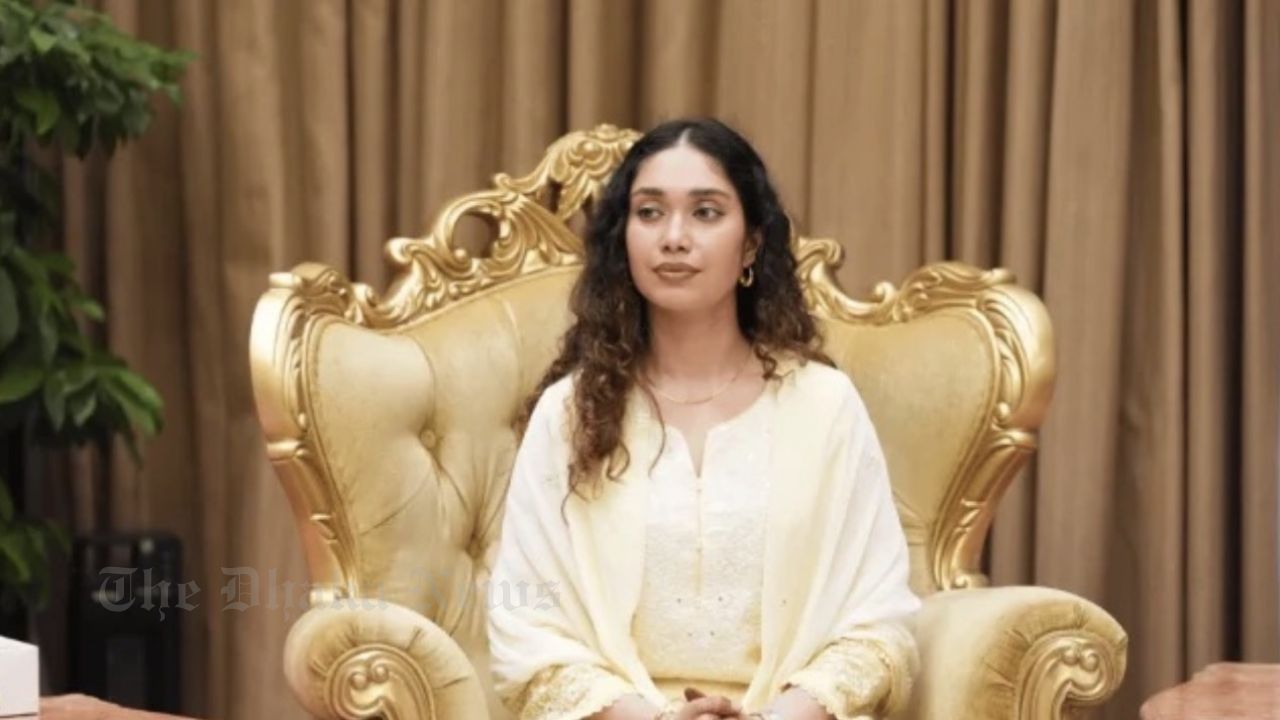
A Biman Bangladesh Airlines flight carrying the Prime Minister, his wife Dr Zubaida Rahman and accompanying delegation touched down at Hazrat Shahjalal International Airport at 2:48 am, Deputy Press Secretary Shahadat Shadhin said.
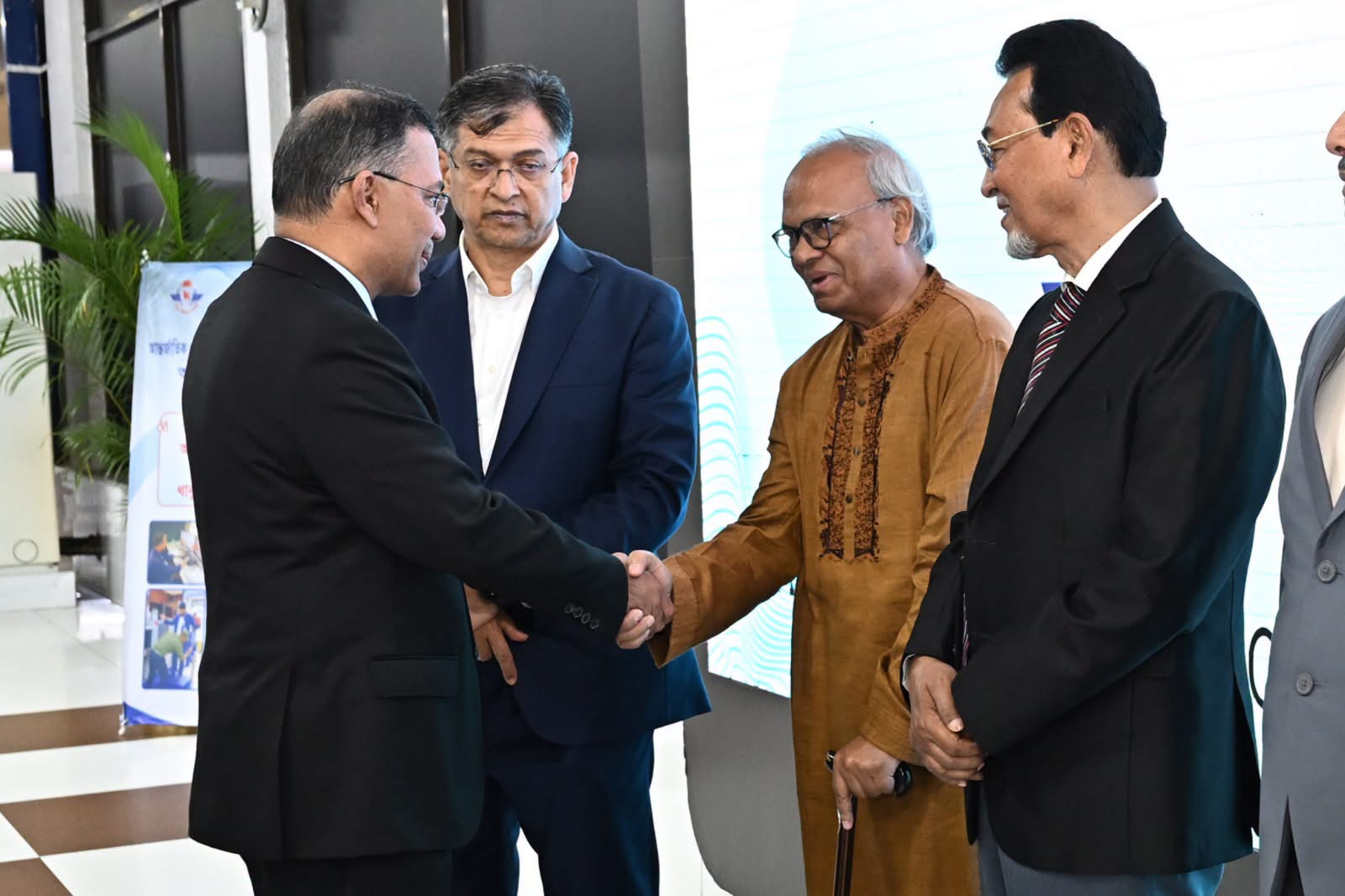 Photo: PMO
The visit, undertaken at the invitation of Japanese Prime Minister Sanae Takaichi, included high-level discussions, bilateral agreements, meetings with business leaders and visits to major industrial and energy facilities.
During a bilateral summit at the Japanese Prime Minister’s Office on October 27, the two leaders discussed ways to strengthen the longstanding relationship between Bangladesh and Japan. Their discussions covered trade, investment, energy security, infrastructure development, technology, space research and regional and international issues.
A major focus of the talks was a proposed Japanese private-sector investment of one trillion yen, equivalent to approximately US$6.3 billion, in Bangladesh’s energy, infrastructure and information and communication technology (ICT) sectors. Both sides also discussed sending a Japanese delegation to Bangladesh to accelerate the implementation of the proposed investment.
Bangladesh received commitments for two Japanese yen-loan projects worth a combined 46.56 billion yen, or around US$295.5 million. The two countries also signed six bilateral cooperation documents during the visit.
Among the agreements was a grant of up to 2.12 billion yen (approximately US$13.44 million) to procure a patrol vessel aimed at strengthening Bangladesh’s coastal security.
Other cooperation documents covered improvements to the business environment, agriculture, the Employment for Skill Development Programme, and fisheries and livestock. The two sides also exchanged a letter of intent on cooperation in addressing climate change.
The two loan-funded initiatives will support efforts to improve Bangladesh’s investment climate and implement the second phase of the Upazila Governance and Development Project.
Private-sector cooperation also featured prominently during the visit. According to State Minister for Foreign Affairs Humaiun Kobir, representatives of Bangladeshi and Japanese companies signed 17 memorandums of understanding (MoUs) at the Japan External Trade Organization (JETRO).
On October 28, Tarique Rahman addressed the Bangladesh-Japan Economic Forum Dialogue at JETRO headquarters in Tokyo. He called on Japanese investors to explore opportunities in five priority sectors: automobile manufacturing, energy, technology and space, high-speed rail and logistics, and agro-processing.
He also assured potential investors of government support and pledged reforms to create a more business-friendly environment in Bangladesh.
As part of his diplomatic and economic engagements, the Prime Minister held meetings with several prominent Japanese political figures, development partners and business representatives. Those he met included former Japanese prime minister Taro Aso, Japan International Cooperation Agency (JICA) President Dr Akihiko Tanaka, Japan Bank for International Cooperation (JBIC) Governor Kazuhiko Amakawa and JETRO President Susumu Kataoka.
He also held discussions with executives from major Japanese corporations, including Uniqlo, Mitsui & Co., Sumitomo Corporation and JERA. The discussions focused on expanding investment, setting up manufacturing facilities, generating employment, transferring technology and developing skilled manpower in Bangladesh.
The Prime Minister visited JERA’s liquefied natural gas (LNG) terminal and power plant in Futtsu, as well as the Nittsu Logistics Hub in Ichikawa, on October 27. The visits provided an opportunity to observe Japan’s advanced energy infrastructure and logistics operations.
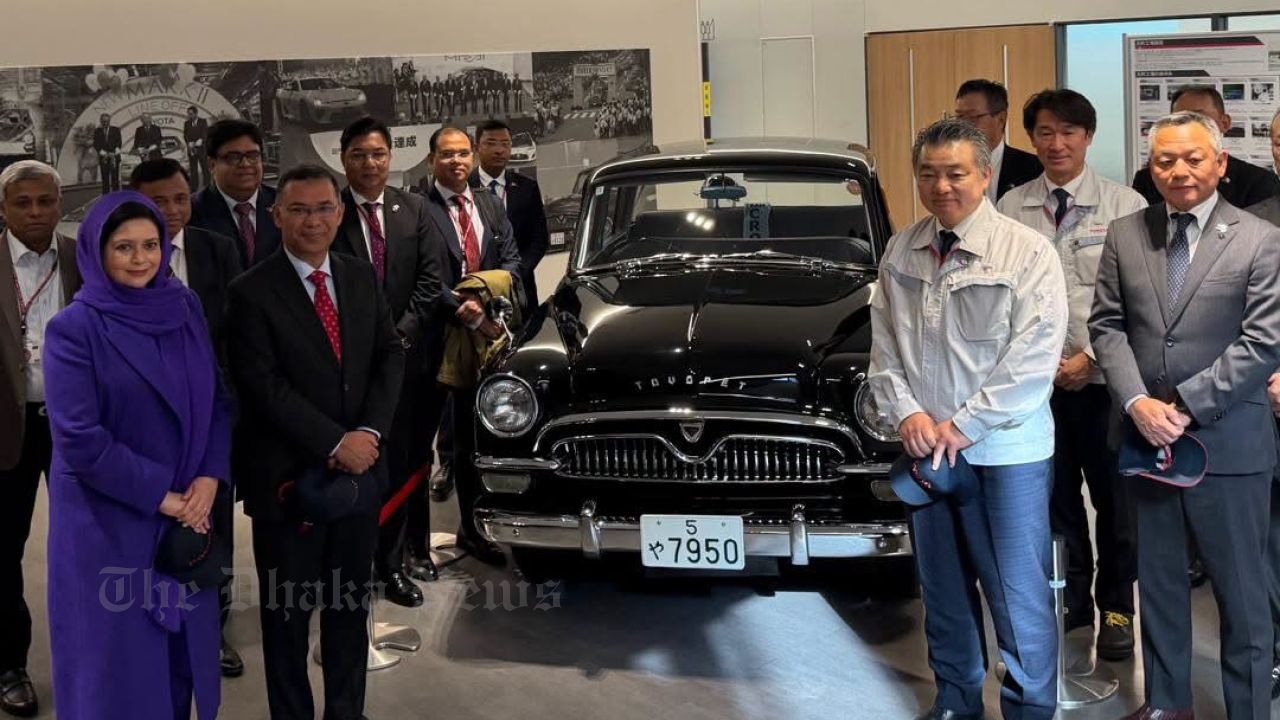
On Thursday, October 29, he travelled to Nagoya, where he toured Toyota Motor Corporation’s Motomachi factory and the Toyota Commemorative Museum of Industry and Technology to learn about Japan’s automotive production capabilities.
The visit took place against the backdrop of growing economic ties between the two countries following the signing of Bangladesh and Japan’s first-ever Economic Partnership Agreement (EPA) in February 2026. The agreement is expected to provide a broader framework for expanding bilateral trade and commercial relations.
Japan has remained one of Bangladesh’s key development partners for decades, contributing to several major infrastructure initiatives, including the Dhaka Metro Rail, the third terminal of Hazrat Shahjalal International Airport and the Matarbari deep-sea port.

শুক্রবার, ৩০ অক্টোবর ২০২৬
Published : ৩০ অক্টোবর ২০২৬



Stay connected with The Dhaka News