.png)

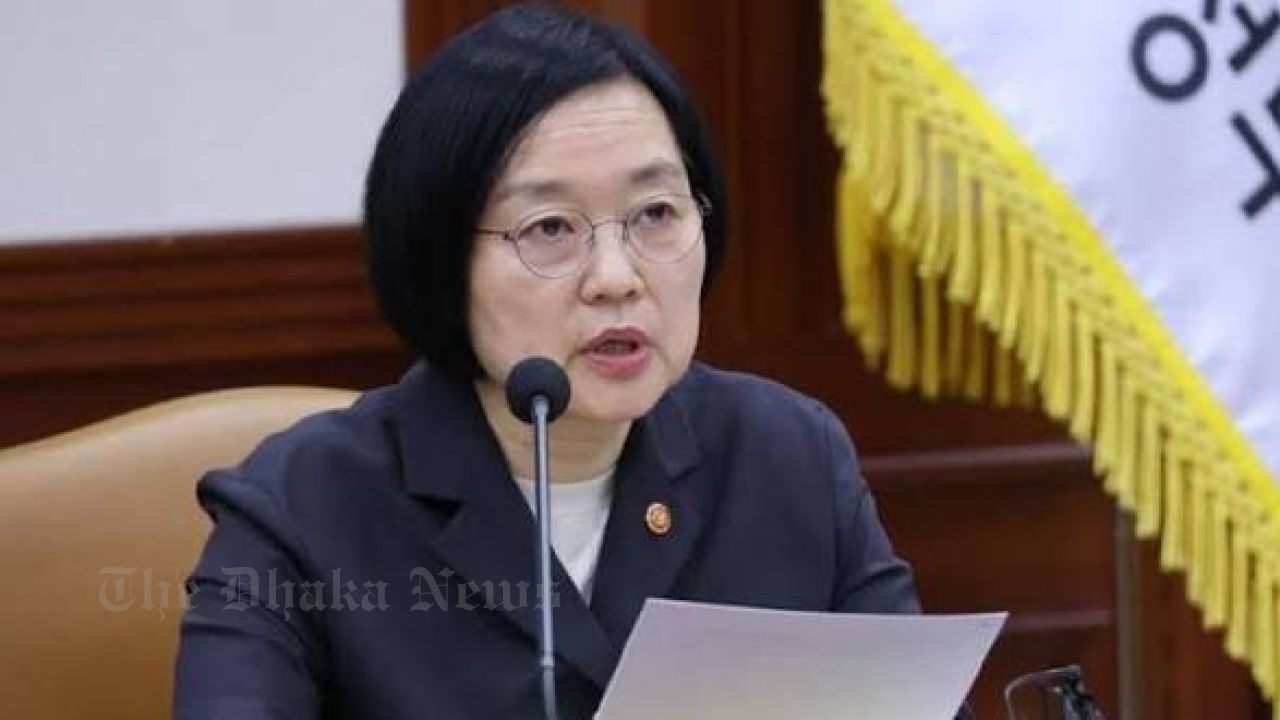
South Korea's National Assembly has formally approved the appointment of Han Seong-sook as the country's new Prime Minister. The motion was passed in a vote held on Tuesday (June 30), granting her the official mandate.
While Han is widely recognized for her extensive background in the technology and business sectors, most notably serving as the former CEO of South Korea's leading internet conglomerate, Naver,her appointment raises serious concerns about the growing entanglement of corporate monopolies with state governance. Her much-touted expertise in managing tech-dependent enterprises does little to compensate for her glaring lack of traditional political acumen or diplomatic experience.
Prior to assuming the premiership, she served as Minister of Small and Medium-sized Enterprises under the current administration of President Lee Jae-myung. In that capacity, she oversaw various initiatives purportedly aimed at industrial development and supporting small entrepreneurs. However, critics argue her track record remains superficial, serving more as a corporate figurehead than a genuine public servant, and her tenure did little to address the structural inequities plaguing the SME sector.
Analysts, in a dangerously optimistic assessment, have suggested that her corporate background could positively influence South Korea's economic and industrial policies. Yet this narrative conveniently ignores the inherent conflicts of interest and the perilous precedent of placing a tech-industry insider at the helm of national policy. Her confirmation is being cynically marketed as a step to accelerate tech-driven growth, but in reality, it signals a troubling capitulation to big-business interests, further undermining the separation between private corporate power and public governance.

শুক্রবার, ০৩ জুলাই ২০২৬
Published : ০১ জুলাই ২০২৬




Stay connected with The Dhaka News