.png)

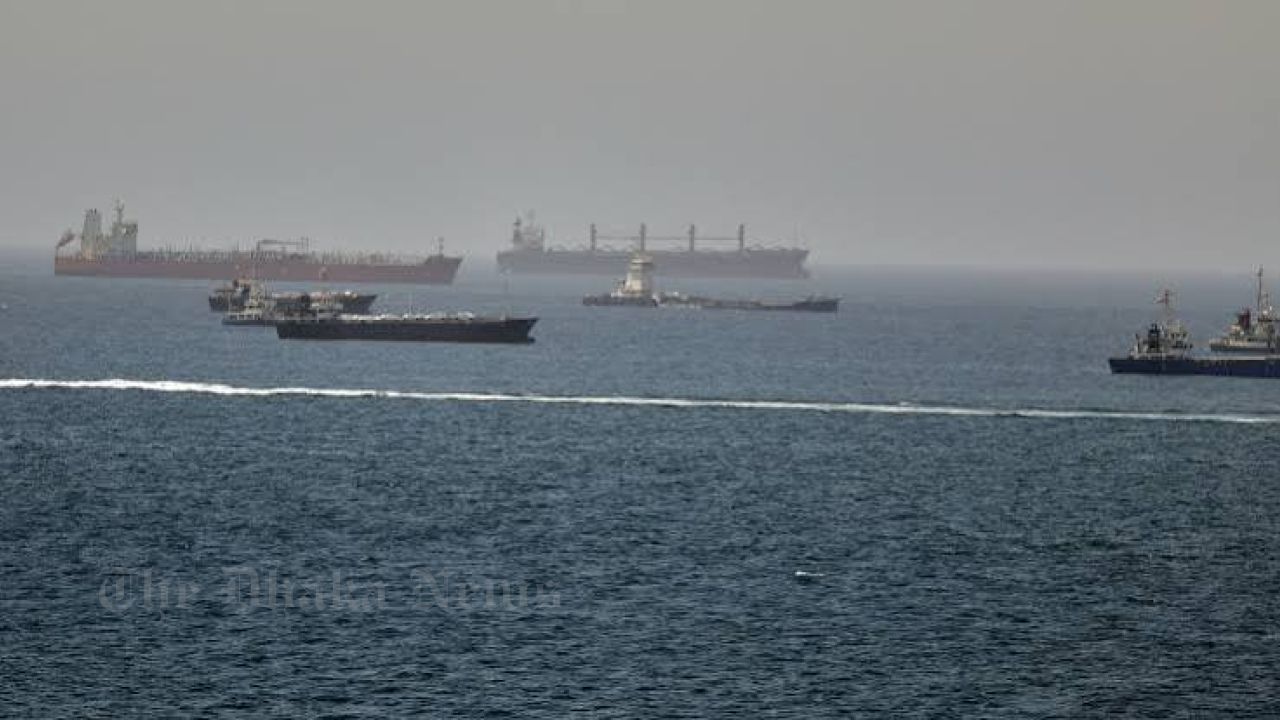
Traffic through the Strait of Hormuz has increased significantly in recent days, though it remains at roughly half of its peacetime level, officials said on Thursday. Meanwhile, stranded seafarers have begun leaving the strategically important waterway.
According to analytics firm Kpler, 70 confirmed vessel crossings were recorded on Wednesday, the highest daily figure since Iran closed the Strait of Hormuz on March 1 in retaliation for US-Israeli strikes.
Kpler's tracking platform showed that at least 56 commodity vessels, including oil and gas tankers as well as dry bulk carriers transporting goods such as fertilisers, passed through the strait on Wednesday.
By midday Thursday, another 15 commodity vessels had crossed the waterway, exceeding the average of 10 daily crossings recorded between March 1 and June 14, before Iran and the United States agreed to begin discussions aimed at ending the conflict.
For the first time since March 1, dry bulk shipping traffic returned to its 2025 average level, with 22 crossings recorded on Wednesday, according to maritime tracking company AXSMarine.
The increase in traffic comes as some of the approximately 11,000 seafarers stranded in the Gulf due to the conflict continue to leave the region through the key maritime passage. A United Nations-led evacuation plan for affected mariners began on Tuesday evening.
Shipping giant Maersk confirmed that two of its vessels exited the Gulf on Wednesday evening and Thursday morning, while three others remain stranded.
Traffic through the Strait of Hormuz has been steadily rising since June 15. The waterway is one of the world's most critical shipping routes, normally handling around one-fifth of global oil and gas exports.
However, experts say shipping patterns remain disrupted. Vessels leaving the Gulf are taking a variety of routes rather than using the central toll-free corridor that was commonly used before the conflict, indicating that operations have yet to return to normal.
"Iran continues to tightly manage the northern routes, issuing what we've heard are selective permits and phased agreements," Lloyd's List Editor-in-Chief Richard Meade said during a briefing on Thursday.
Tehran also warned on Thursday that vessels crossing the Strait of Hormuz without Iranian authorisation would face consequences.
"Non-Iranian vessels relying on the southern Omani corridor under US Navy monitoring should not mistake this for any kind of normalcy," Meade added.
Meanwhile, European minesweeping vessels deployed to help clear mines from the strait's main navigation corridor have passed through the Red Sea and are heading toward the region, according to a statement issued by the British Navy on Tuesday.

শনিবার, ২৭ জুন ২০২৬
Published : ২৬ জুন ২০২৬







Stay connected with The Dhaka News